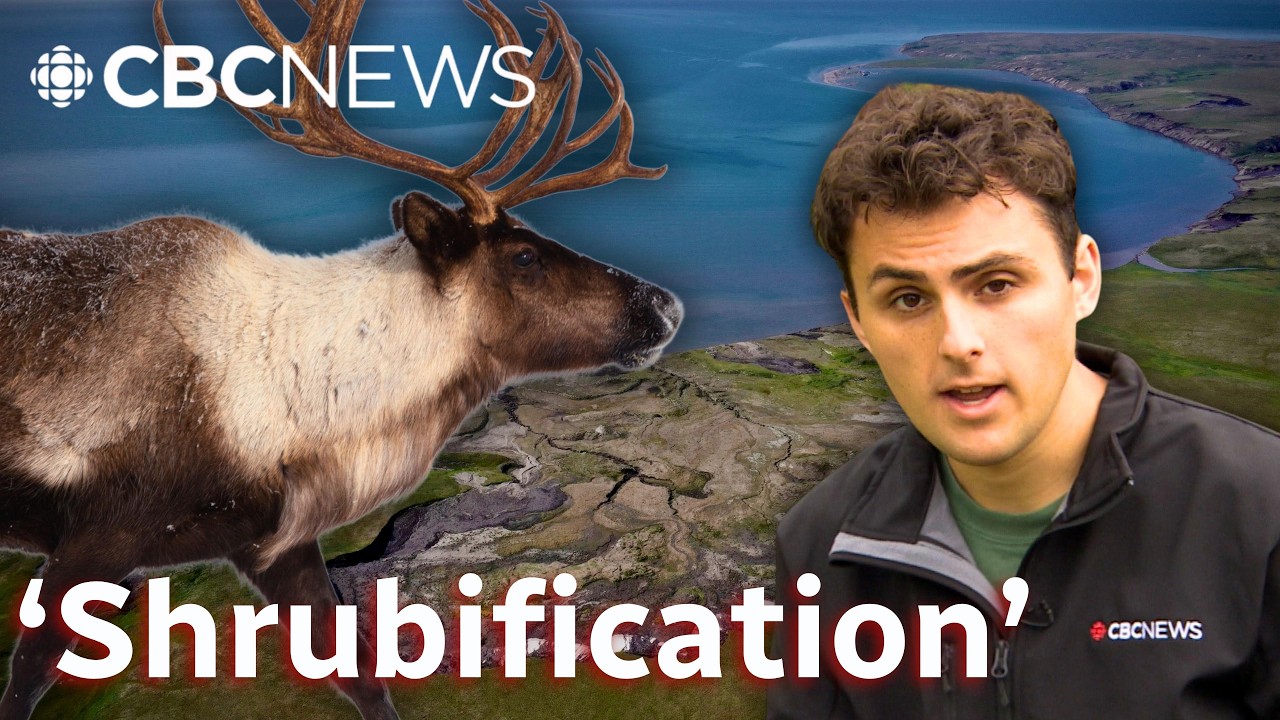

The Arctic is undergoing a profound metamorphosis, characterized by a rapid warming trend that is having far-reaching consequences for the region's ecosystems. The changes are not limited to glaciers and caribou, but are also impacting plants such as shrubs, which are specially adapted to survive in the harsh conditions of the tundra. Scientists are working to understand the complex interactions between these changes and their impacts on wildlife and the people who live in the Arctic. The region is complicated and dynamic, with plants and animals that are highly adapted to the extreme conditions. The nuances of these changes are subtle, but they have significant implications for the environment and the people who live in the Arctic.
The research team, known as Team Shrub, is conducting a comprehensive study of the tundra and its ecosystems. They are using drones to survey the landscape and capture detailed images of the area, which are then used to analyze the patterns of shrubification. The team has found that while the overall number of species in the Arctic is remaining steady, there are significant changes occurring at the regional level. One of the biggest shifts is shrubification, which is the process of shrubs growing larger and becoming more abundant. This can have a negative impact on caribou, as they rely on lyken for food, but the shrubs are shading out the lyken. The caribou are an important part of the ecosystem and are also culturally significant to the people who live in the Arctic. They are used for subsistence and are part of the culture and heritage of the northern communities. The climate is changing and it's not just a problem for the future, it's a problem now. The scientists are working to understand the impacts of shrubification on the caribou and the ecosystem as a whole. The consequences of these changes are far-reaching and have significant implications for the environment and the people who live in the Arctic. The paradox of these changes is that they are both complex and nuanced, requiring a deep understanding of the interactions between the environment and the species that inhabit it.
The Arctic is a vast and complex region, and the changes that are occurring are having far-reaching consequences. The scientists are working to understand these changes and to find ways to mitigate the impacts on the ecosystem and the people who live in the Arctic. It's a challenging task, but it's an important one. The climate is changing and it's not just a problem for the Arctic, it's a problem for the whole world. The scientists are working to raise awareness about the importance of the Arctic and the need to protect it. They are also working to develop strategies for adapting to the changes that are occurring and for mitigating the impacts on the ecosystem and the people who live in the Arctic. The future of the Arctic is uncertain, but one thing is clear: the climate is changing and it's having a profound impact on the region and its inhabitants. The resilience of the Arctic ecosystem is being tested, and it's up to the scientists and the people who live in the Arctic to work together to find solutions to the challenges that lie ahead.