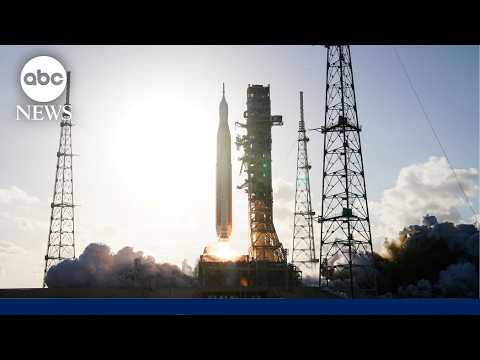

The voyage to the moon has commenced with the triumphant launch of the Artemis II mission, heralding a new era in space exploration. The crew on board, comprising highly skilled and trained individuals, is entrusted with the responsibility of navigating the rocket through the vast expanse of space. The engines, functioning within optimal parameters, are propelling the rocket at an astonishing speed of over 1,200 miles per hour, while the integrity of the system is being meticulously monitored to ensure the success of the mission.
The performance of the rocket is a testament to the ingenuity, expertise, and unwavering dedication of the engineers and technicians involved in the launch process. The mission control team, comprising seasoned professionals, is closely tracking the system to ensure that every aspect of the mission proceeds according to plan. The rocket has successfully separated from the boosters, and the crew is now en route to the moon, poised to make history. The people on the ground, witnessing this historic moment in the annals of space exploration, are experiencing the vibration of the launch, and the emotion is palpable as they contemplate the vast implications of this voyage for humanity. The future of space travel looks promising, and this mission is a significant step forward in the pursuit of knowledge and understanding.
The mission is expected to provide valuable insights into the lunar surface, the effects of space travel on the human body, and the performance of the rocket in the harsh environment of space. The crew will be conducting a series of complex experiments, gathering crucial data, and pushing the boundaries of human knowledge. The launch was a spectacular event, and the emotion of the moment will be etched in the memories of those who witnessed it for a long time. The integrity of the system is crucial to the success of the mission, and the performance of the rocket is being closely monitored to ensure the safe return of the crew and the success of the mission.