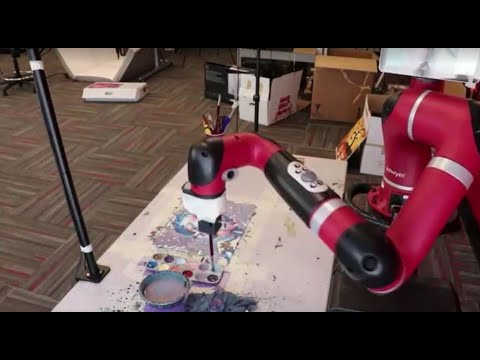

The paradigm of artistic expression is being reevaluated with the emergence of robots like Frida, which are capable of creating complex and nuanced works of art. By leveraging artificial intelligence and machine learning algorithms, Frida is able to generate paintings that are not only aesthetically pleasing but also thought-provoking and contextually relevant. The project's use of AI models to create art is a significant departure from traditional robotics applications, which often focus on precision and accuracy.
Frida's collaborative approach to art is also noteworthy, as it works in tandem with a human operator to produce paintings that are both beautiful and imperfect. The color palette is carefully curated by the human operator, who uses a computer to select the colors and brush strokes that will be used in the painting. Frida then uses its camera to monitor its progress and make adjustments as needed, often incorporating mistakes into the painting to create a unique and organic piece of art. The dialectic between human and robot is a fascinating aspect of Frida's creative process, as it raises important questions about the nature of creativity and intelligence.
The implications of Frida's artistic abilities are far-reaching, and raise important questions about the future of art and creativity in the age of robotics and AI. As robotics and AI continue to advance, it is likely that we will see more projects like Frida that challenge our assumptions about the role of machines in the creative process. With its innovative approach to art and collaboration, Frida is an exciting example of what can be achieved when humans and robots work together to create something new and original.