
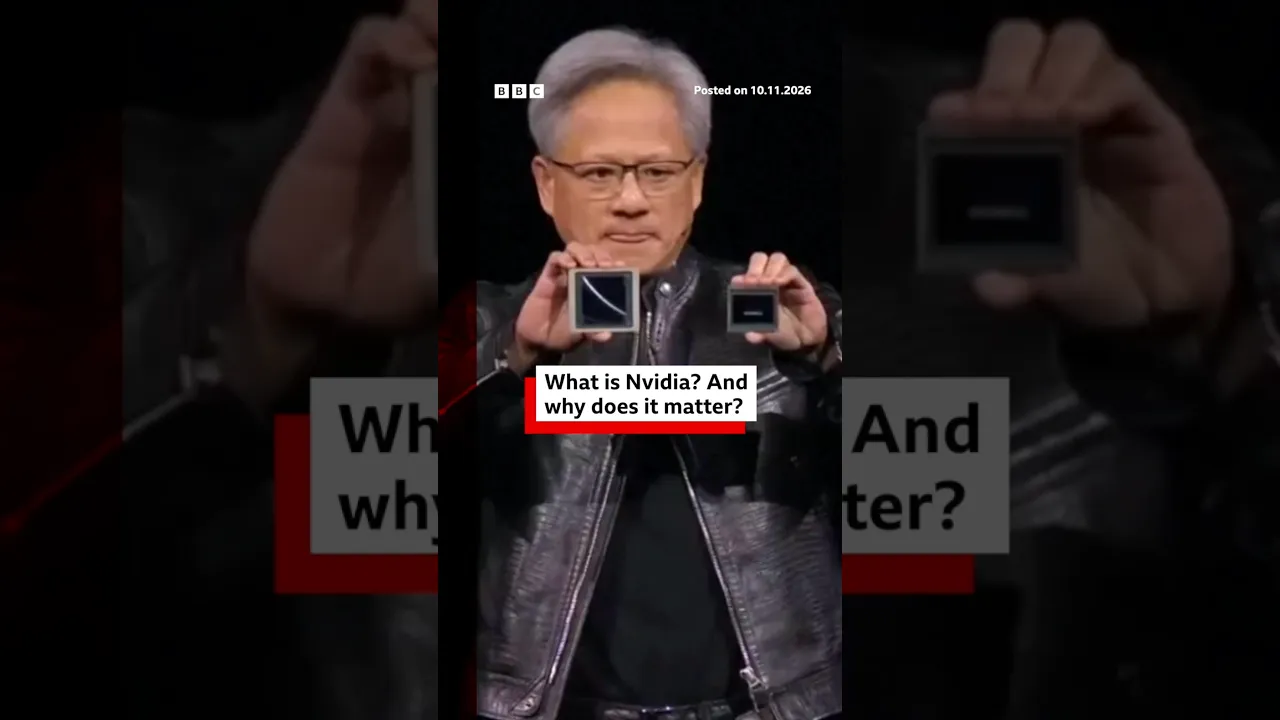
A new video was posted on a well‑known site, but it has no written words. The screen shows only pictures and sound. Many people who need help reading cannot follow. This missing transcript makes the video hard to enjoy for them.
When a video does not have a transcript, it hurts accessibility. People who are deaf, hard of hearing, or who speak another language rely on written text. Without it, they feel left out. The video platform also misses an easy way to show captions that match the speech. Inclusion means giving everyone a chance to watch and learn. Some countries even have legislation that says online content must be usable by all. The site can add a caption file, or let users upload their own metadata. That helps the viewer understand the story and stay interested. If the company follows the rules, it shows compliance with the law. More engagement often follows when people can read what is said. The missing transcript also means search engines cannot read the words, so the video is harder to find.
In short, a video without a transcript limits who can watch it. Adding text would improve accessibility and keep the audience happy.