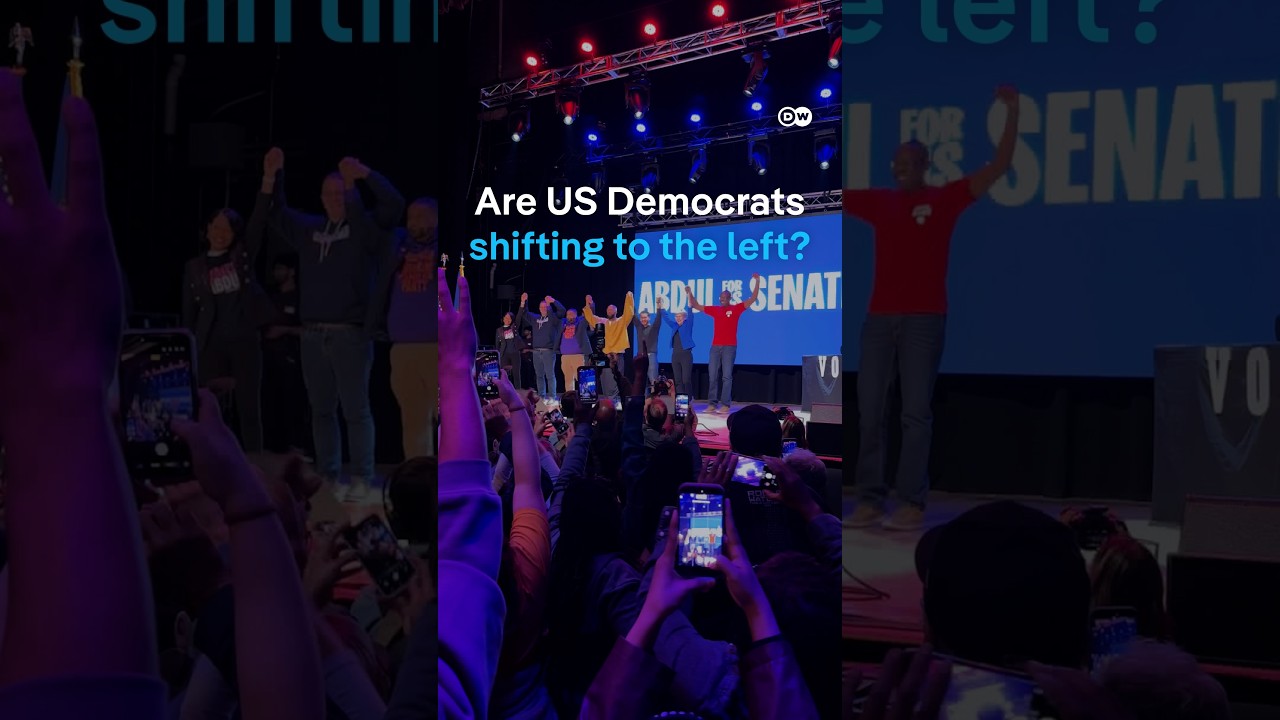
The United States recently held a big political election to choose new government members. People across the nation went to vote for their favorite leaders. The Democratic party won several key races, making many of their supporters happy about the future of their country.
Inside the Democratic group, different leaders have very different ideas about how to fix big national problems. Some people follow a progressive view and want big changes right away. For example, a progressive candidate wants to give healthcare to every person through a government plan called Medicare for All. They also want higher taxes on super rich citizens and want to stop big companies from having too much money in political campaigns. These ideas try to help poor and working families who struggle every day with bills. On the other side, more moderate members think these big changes might scare away quiet citizens. Every single voter must decide if they prefer fast changes or slow steps. During the campaign, each member tries to build strong support among local communities. They run advertisements and hold large meetings to explain their new policy plans. Some leaders want a deep political reform to change how money flows into government offices, while others want to keep standard rules. This internal competition creates a major challenge for leadership and starts an exciting debate among ordinary citizens about which pathway is best for the economy.
Now, party members must figure out how to work together smoothly. Every new leader needs to listen to both sides so they can win future races and help everyday citizens.