
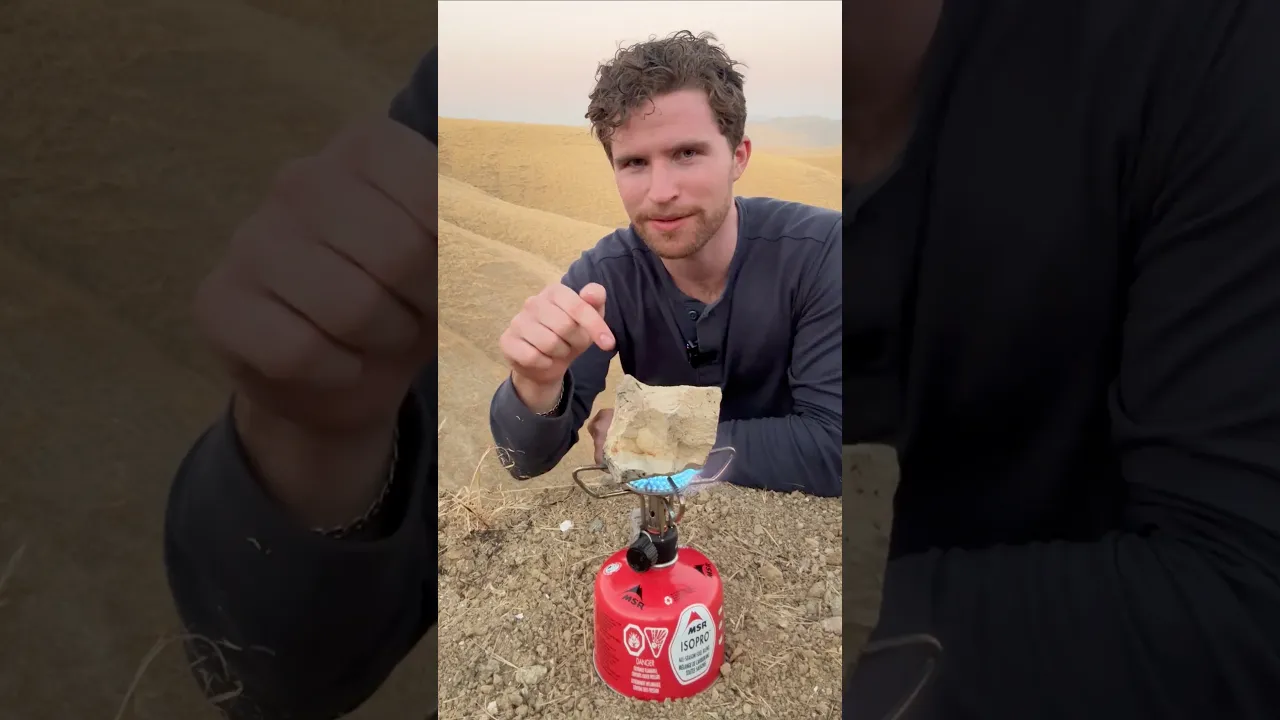
Imagine walking across a hot desert during the middle of the day. The ground feels burning hot, and the air around you burns your skin. However, if you stay until midnight, you will need a winter coat because the temperature drops fast.
Why does this happen? The answer comes down to two main things: sand and air moisture. During the day, bright sunlight pours down from the sky. Sand and rocks absorb this heat very quickly, making the ground scorching hot. But sand is not good at holding onto energy for a long time. As soon as the sun disappears behind the horizon, that stored warmth rushes straight back out toward the sky. In humid places like forests or cities, water in the air acts like a heavy winter blanket. That atmospheric moisture traps warmth near the ground and keeps nights comfortable. But in dry regions, there are no clouds or damp air to stop the thermal radiation from escaping into outer space. Without a protective layer, all the warmth flies away into the atmosphere within just a few hours. This causes a massive temperature swing, turning a burning afternoon into a freezing night before you even realize it.
If you ever travel to a dry region, do not pack just shorts and t-shirts. Always carry warm clothes so you stay safe when the sun goes down.