Some scientists in history tested dangerous ideas on their own bodies. They swallowed bacteria or tested medical tools on themselves to find cures. Their risky choices helped doctors save millions of lives today.
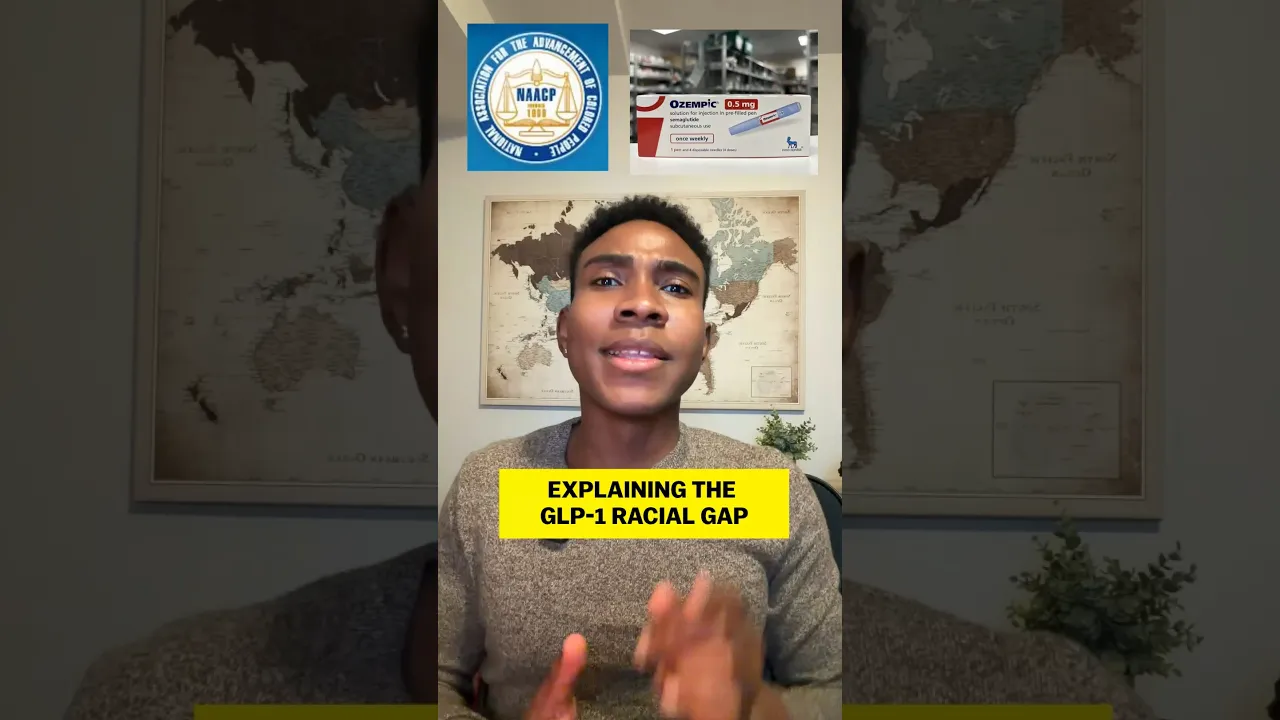
Show more about Dangerous Self-Experiments That Changed Medical HistoryNew drugs like Ozempic help people manage diabetes and weight. However, Black patients are twenty percent less likely to get these modern medicines than white patients. High insurance costs and fewer local specialist clinics make it hard for many people to get care. Experts are working to make healthcare access equal for everyone.
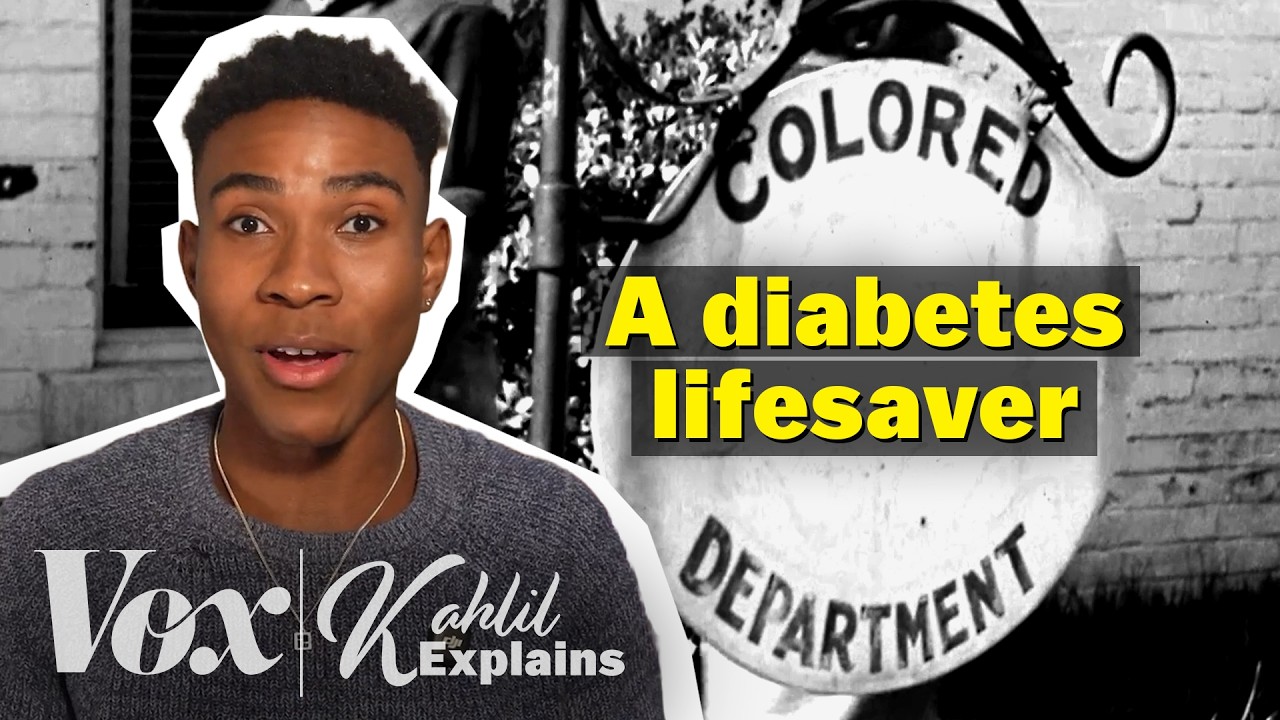
Show more about Explaining the GLP-1 Racial Gap in HealthcareMany people use popular new drugs like Ozempic to lose weight today. However, doctors first created these medicines to treat Type 2 diabetes. Black Americans experience higher rates of diabetes but often receive less access to modern treatments.
Show more about The Untold History of Diabetes and Black AmericansKetamine is a special medicine that doctors use to stop pain. It works by blocking messages in your brain so you do not feel hurt. However, taking it without a doctor can cause real harm to your body.
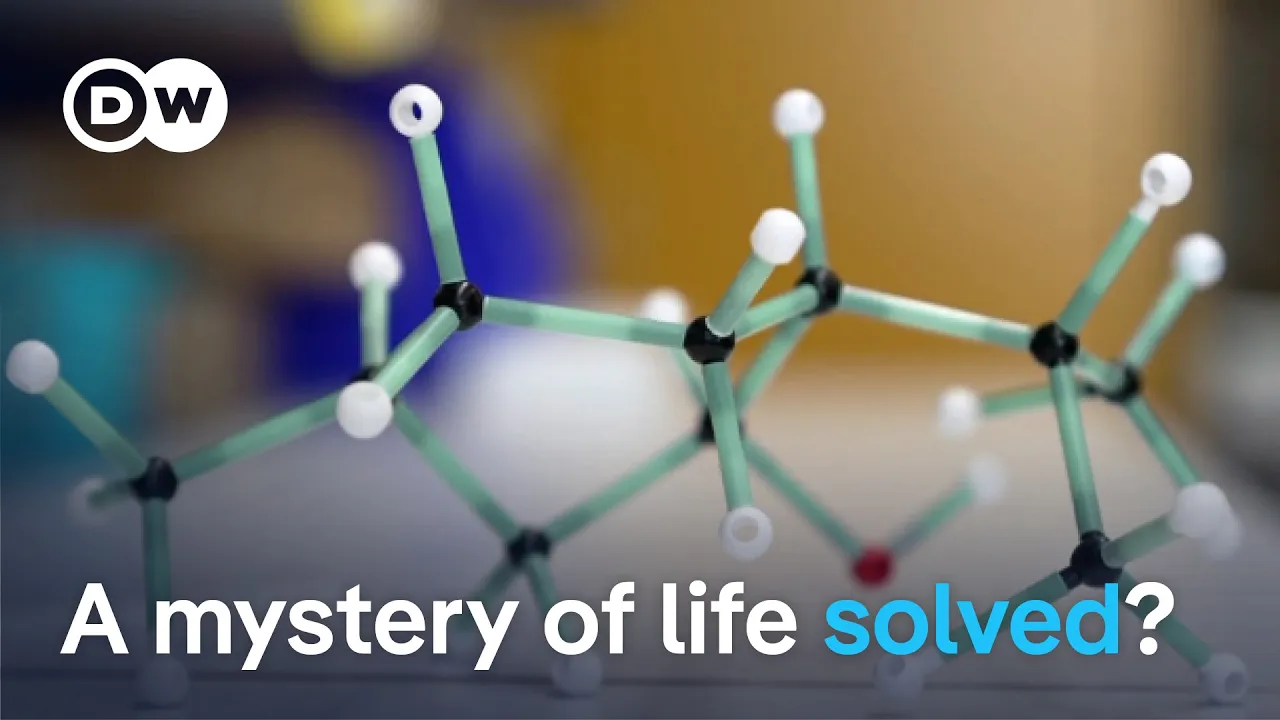
Show more about How Ketamine Works: Uses, Risks, and Brain HealthLearn how the latest Chemistry Nobel Prize solves a century-old mystery about mirror-image molecules and makes your medicines much safer.
Show more about Why Mirror Molecules Win the Nobel PrizeGeorgia doctor and WWII veteran Dr. William Anderson, a key civil rights activist, dies at 98. His work with the Albany movement shaped history.
Show more about Dr. William Anderson, 98, Civil Rights Physician, DiesLearn how influenza affects your body, why it is more dangerous than a common cold, and how annual vaccines keep you safe.
Show more about Understanding the Flu and How It Impacts Your BodyLearn why Ebola outbreaks continue to happen and how global health teams work to stop the virus in vulnerable regions.
Show more about Why the Ebola Virus Keeps ReturningLearn about the widowhood effect and takotsubo cardiomyopathy, conditions that can affect our health after a loved one dies.
Show more about Can We Die from a Broken Heart?New study finds that GLP-1s can reduce the risk of breast cancer in women.
Show more about GLP-1s and Breast Cancer