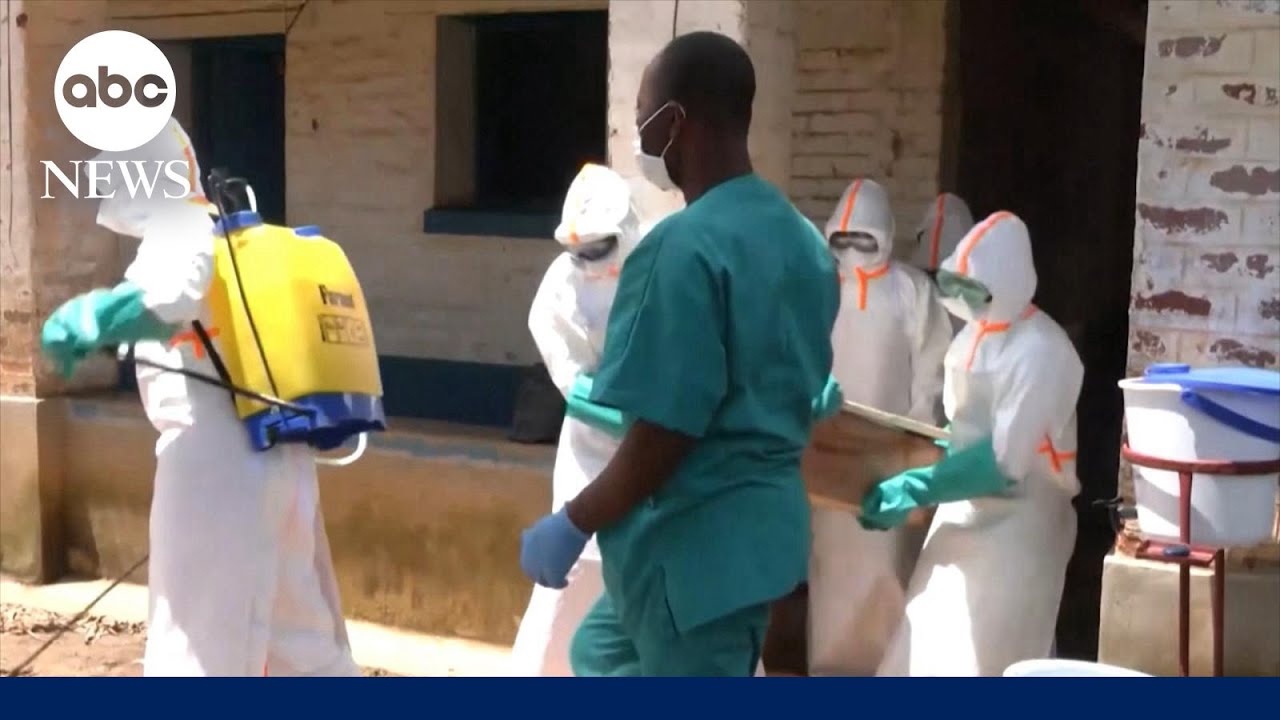

The current Ebola outbreak is a paradigmatic example of a complex epidemic that is being exacerbated by a multitude of factors, including a civil war, a lack of assistance from international organizations, and a dearth of protective measures. The virus is spreading rapidly across the Congo and Uganda, with the worst-hit region being Ituri in the Democratic Republic of Congo. The lab testing capacity, which is crucial for accurate diagnosis and contact tracing, is severely lacking, making it challenging for health workers to track and contain the disease.
The reduction in aid from the US and other international organizations has further compounded the problem, leaving health workers without the necessary funding and equipment to combat the outbreak. The situation is becoming increasingly dire, with the virus spreading rapidly and the epidemic showing no signs of abating. The outbreak is a stark reminder of the need for increased assistance and support from the international community to combat the virus and prevent further outbreaks. The aggressive behavior of local communities towards health workers is also a significant concern, as it hinders the ability of health workers to provide protective measures and equipment to those in need.
The health workers are working tirelessly to stop the epidemic, but they need more assistance and aid. The funding and equipment needed to combat the outbreak are not sufficient. The US and other international organizations need to provide more support to help stop the virus and prevent further outbreaks. The outbreak is a complex issue that requires a comprehensive and coordinated response from the international community, including the provision of lab testing capacity, protective measures, and equipment to health workers.