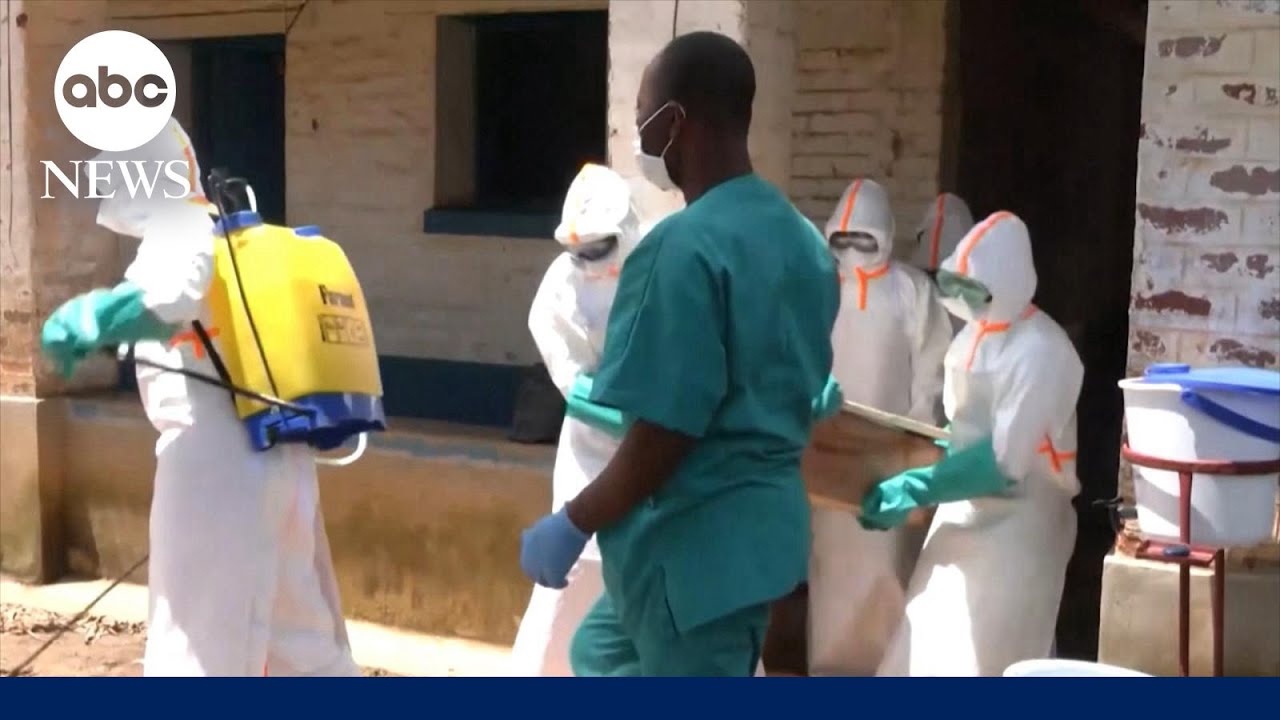

The current Ebola outbreak is spreading rapidly and is predicted to become the deadliest on record. The virus is affecting parts of the Congo and Uganda, with the worst-hit region being Ituri in the Democratic Republic of Congo. The epidemic is being further complicated by a civil war, which has displaced around 3 million people. Health officials believe that a rare strain of the virus was possibly circulating undetected for up to 3 months in eastern parts of the Congo.
The assistance from international organizations such as the World Health Organization (WHO) and the US Agency for International Development (USAID) has been weakened, making it harder to track and contain the disease. The protective gear worn by health workers is often met with mistrust and anger from remote communities. The lab testing capacity needed for accurate diagnosis and contact tracing is also lacking. The US had previously provided significant aid to the region, but this has been reduced, making it harder to fight the virus. The equipment and funding needed to combat the outbreak are not sufficient, and the situation is becoming increasingly aggressive.
The health workers are working tirelessly to stop the epidemic, but they need more assistance and aid. The funding and equipment needed to combat the outbreak are not sufficient. The US and other international organizations need to provide more support to help stop the virus and prevent further outbreaks.