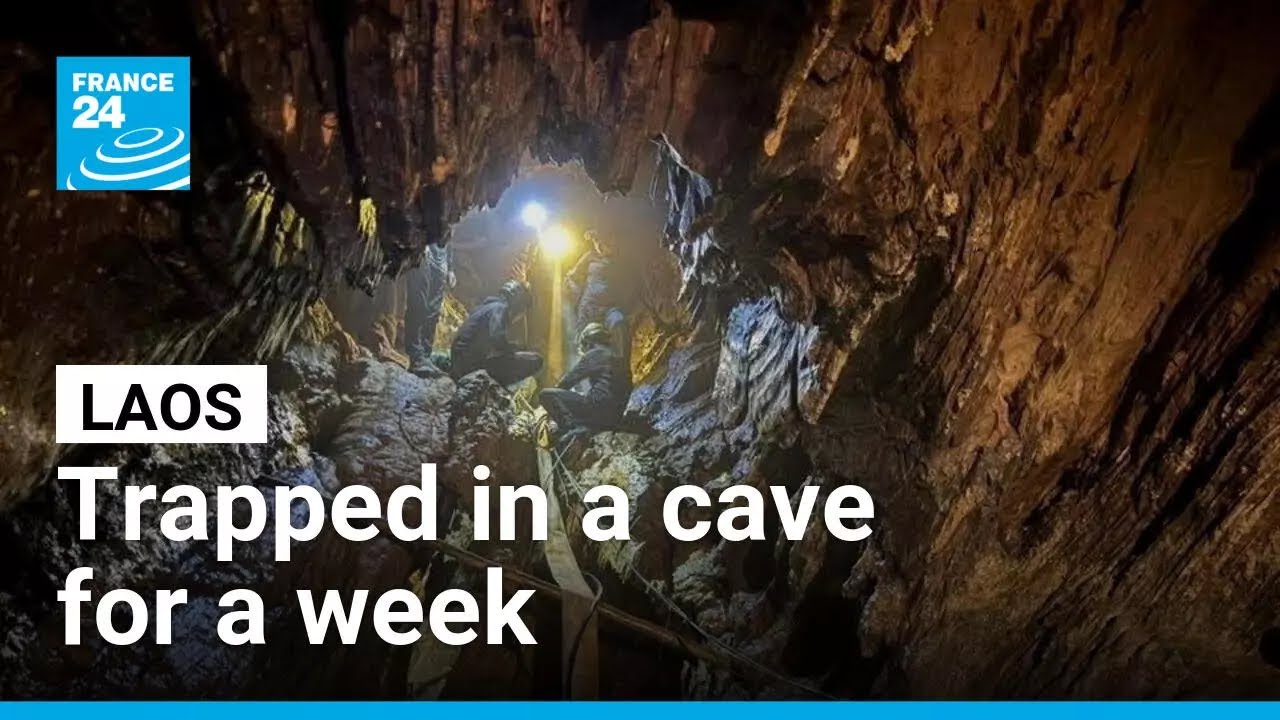

The rescue operation in Laos is a testament to the bravery and selflessness of the rescuers involved. The five villagers who were trapped by floodwaters in a cave were fortunate to have been rescued after a week of being stranded. The rescuers had to contend with narrow passages, deep water, and treacherous terrain to reach the trapped men, who were supplied with water, food, and blankets to sustain them while they waited for rescue.
The rescue operation is a complex and nuanced one, requiring careful planning, precise execution, and a deep understanding of the cave system and its hydrology. The rescuers will continue to search for the two missing people, venturing 20 to 25 meters further away from the current location, despite the area being even deeper and having a significant amount of water. The villagers were trapped while searching for gold after heavy rain triggered flash flooding, highlighting the importance of emergency preparedness and disaster risk reduction measures.
The rescue operation in Laos is not an isolated incident, but rather part of a broader trend of cave explorations gone wrong. In 2018, a similar rescue operation was conducted in neighboring Thailand, where 12 schoolboys and their football coach were trapped in a cave for 18 days. The rescue operation was successful, and the boys were rescued safely, thanks to the bravery and expertise of the rescuers involved. The rescuers in Laos are drawing on their experience and expertise to conduct the rescue operation and bring the trapped men to safety, underscoring the importance of international cooperation and knowledge sharing in rescue operations.