
The number of artificial intelligence agents on the internet is increasing rapidly. This is a relatively new area, and the technology is still in its early stages. However, it has the potential to revolutionize the way we live and work. Agents can perform tasks such as booking plane tickets, managing schedules, and identifying vulnerabilities in codes. But as the number of agents increases, so do the problems associated with them, such as spam and security issues.
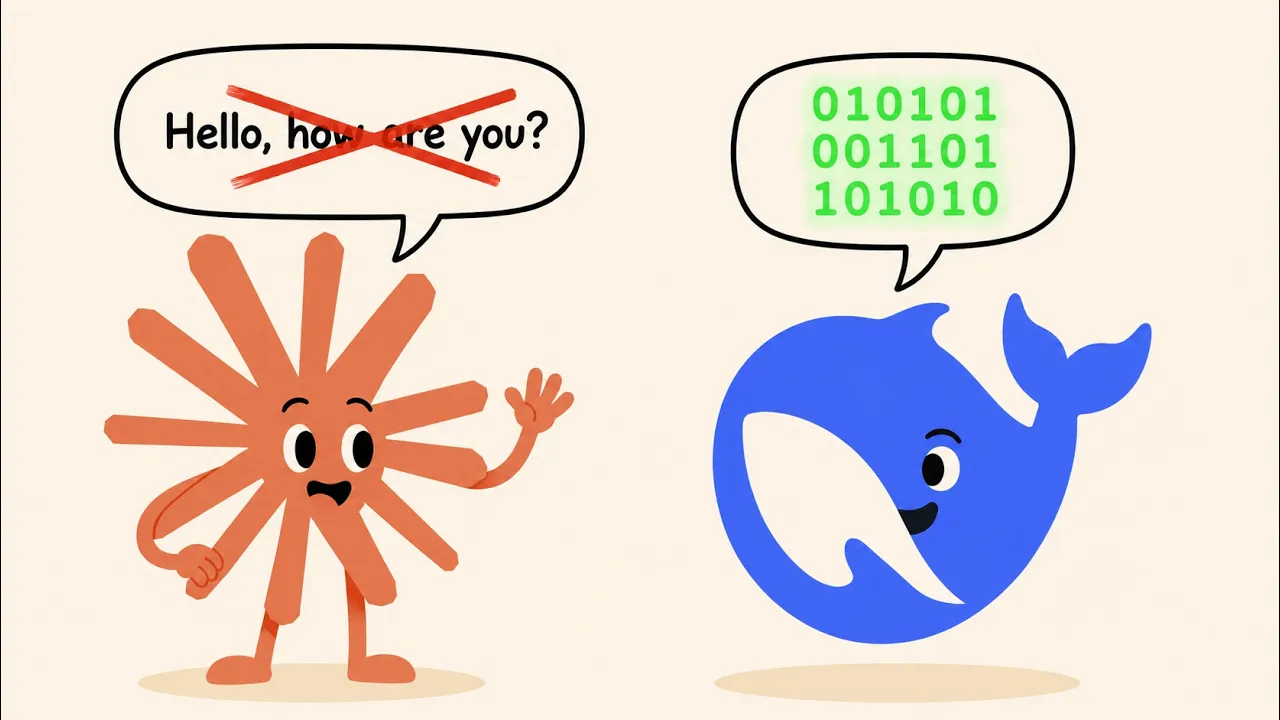
One of the main challenges in this area is coordination between multiple agents. When two or more agents work together, they need to be able to communicate effectively to achieve their goals. But this can be difficult, especially when they are working on complex tasks. To overcome this challenge, researchers are exploring new methods of communication between agents, such as using neural interfaces to enable them to share information directly. This approach is known as cross-agent latent state transfer.
This new method has the potential to significantly improve the performance of agents and enable them to solve problems that were previously too difficult. By allowing agents to share information directly, it can reduce the need for words and enable them to work together more efficiently. This technology is still in its early stages, but it has the potential to revolutionize the way we use agents and enable them to perform tasks that were previously impossible. With the help of neural interfaces, we can create agents that are much smarter and can solve problems that were previously too hard.