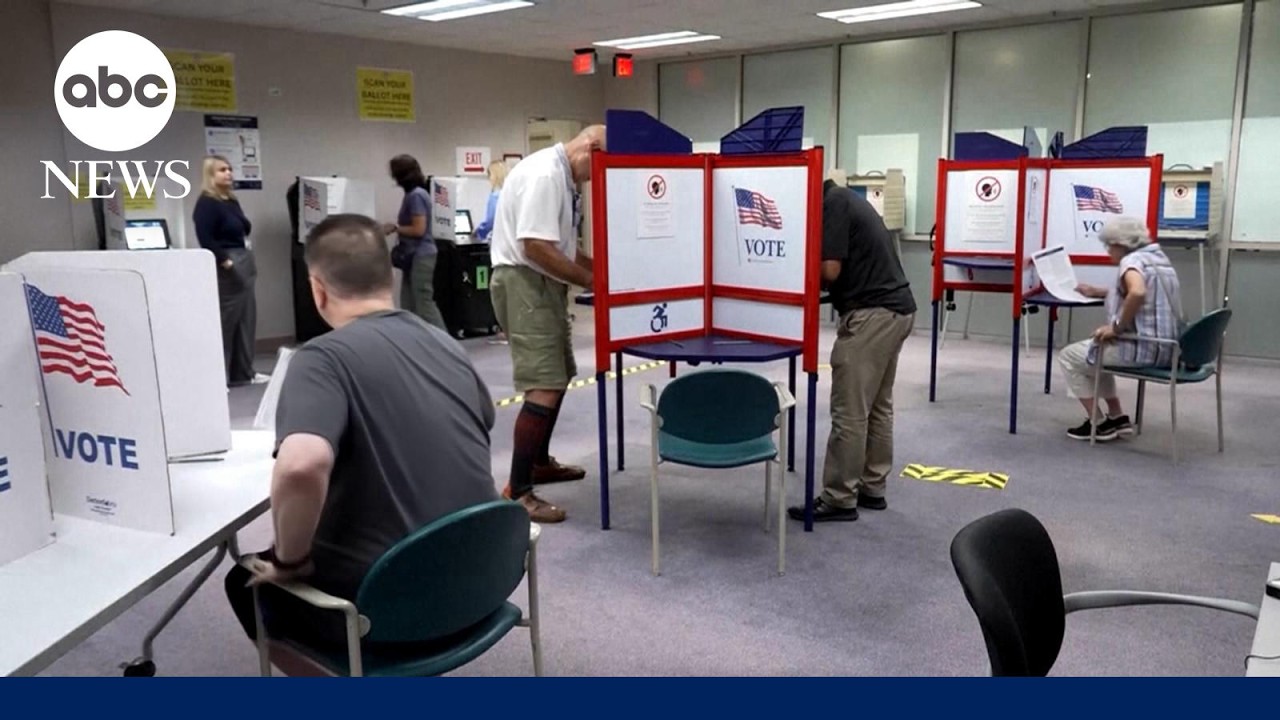

If you have been following the news lately, you probably noticed how quickly the political mood in America can shift. Fresh polling statistics reported by ABC News suggest that Democrats may be on track to take back majorities in both the House and the Senate, defying earlier predictions that pointed toward an easy Republican sweep.
Much of this surprising shift comes down to how each party spends its time and cash. Instead of expanding into new territory, Republicans are pouring millions of dollars into deeply conservative areas to protect their traditional seats. When a party spends heavily inside its own base, that strategy usually means internal alarms are ringing. Meanwhile, Democratic contenders are building steady momentum by focusing directly on household costs, personal rights, and community issues. If you walk through a contested swing district right now, you will see television screens flooded with campaign ads and volunteers knocking on doors every weekend. Every candidate knows that voter turnout will decide the final outcome of these elections. Recent trends show that independent voters, especially suburban parents and young workers, are rethinking which party best serves their daily interests. As citizens prepare to mark their ballot, both sides are treating this election not just as a debate between parties, but as a direct referendum on the country's direction. Every elected representative will shape federal spending and social policy for years to come.
The overall balance of power in Washington hangs by a thread, making your local vote remarkably consequential. As election day draws near, the final tally in just a handful of competitive districts will decide who writes the nation's laws.

