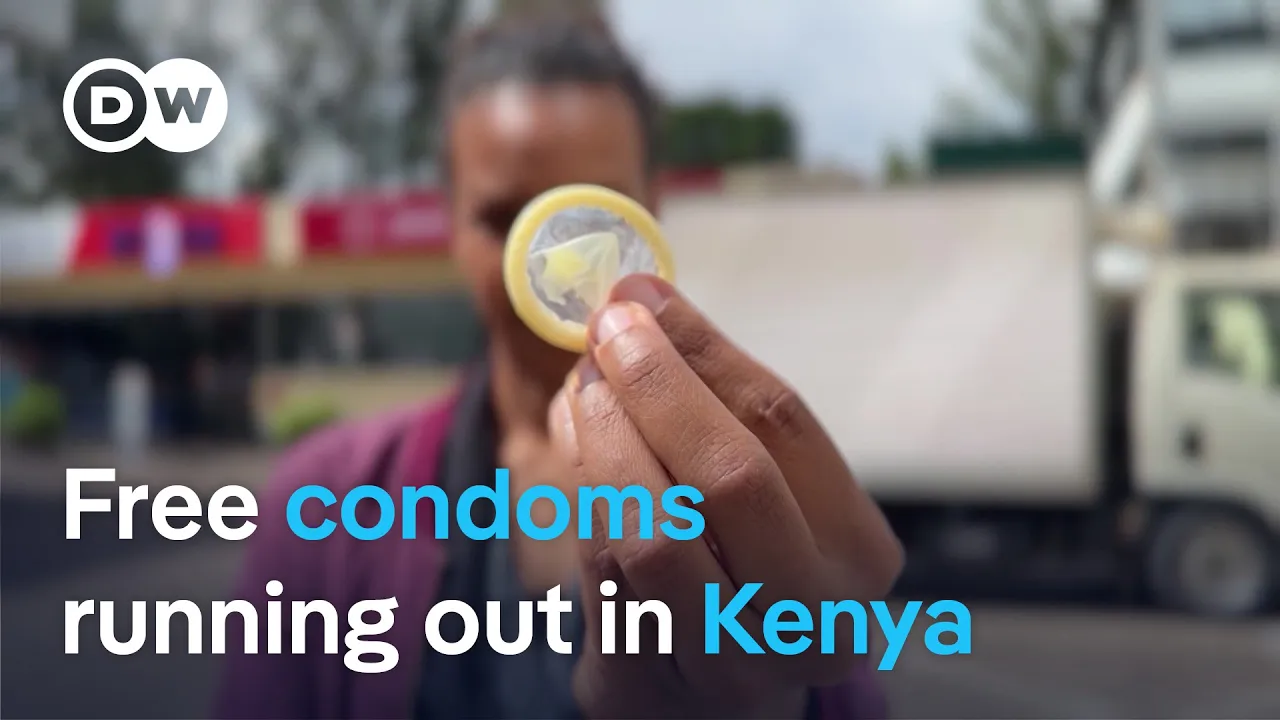

Kenya has made significant progress in its fight against HIV over the past decade, with new infections decreasing from over 100,000 to 16,000. However, this progress is now being threatened by a new challenge. The majority of condoms distributed for free in Kenya were provided by the US and other donors, but since the US reduced its foreign aid, this supply has been depleted. As a result, the people who are most affected are those who are least able to afford them.
The shortage of free condoms is having a significant impact on sex workers in Kenya, who are already vulnerable to HIV and other STIs. Many sex workers, like 73-year-old Grace, rely on free condoms to protect themselves and their clients. Without access to free condoms, sex workers are being forced to choose between their health and their livelihood. The NGOs and advocates are working to find a solution to this problem. They are trying to make condoms more available and affordable. Some people are suggesting that Kenya should start making its own condoms, but this would be expensive. Others are saying that the government should remove taxes on imported condoms. The problem is complex, and there is no easy answer. The prevention of HIV and other STIs is critical, and it requires a comprehensive approach that includes awareness, education, and access to condoms. The stigma surrounding sex work and HIV is also a major obstacle that needs to be addressed.
In conclusion, the shortage of free condoms in Kenya is a serious problem that requires immediate attention. The government, NGOs, and advocates must work together to find a solution that ensures access to condoms for all who need them. This can be achieved by removing taxes on imported condoms, making condoms in Kenya, or finding other ways to make condoms more available and affordable. The health and safety of many people are at risk, and it is essential that a solution is found soon to prevent the spread of HIV and other STIs.