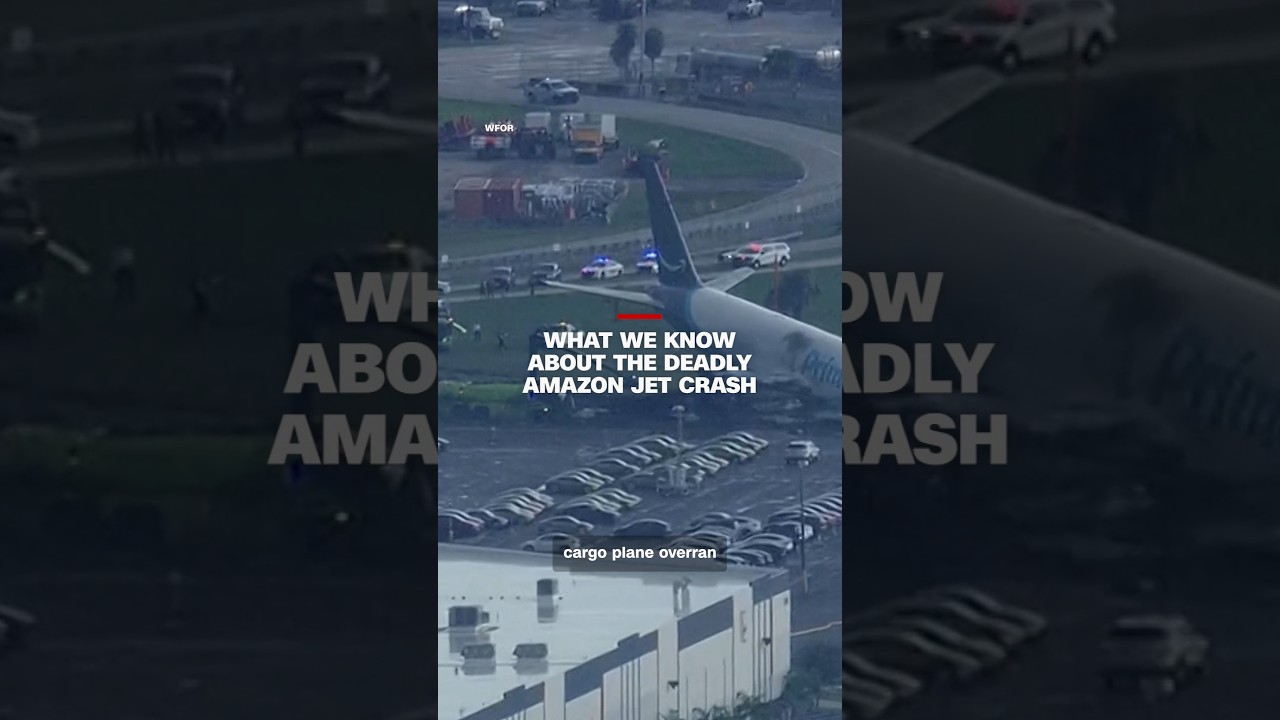

A fatal aviation disaster unfolded at Miami International Airport on Sunday when an Amazon-contracted cargo jet overshot the runway. The crash claimed five lives and sent shockwaves through the air logistics community. If you rely on rapid delivery services, this tragedy highlights the dangerous conditions cargo flight crews face while transporting goods through busy hubs.
Federal investigators are now working to piece together the final moments of the flight’s approach. According to airport authorities, the aircraft touched down during its scheduled arrival but failed to come to a halt before the end of the pavement. The impact created heavy debris and ignited fires, prompting a massive response from local firefighters and emergency medical personnel. Aviation experts point out that multiple factors can lead to an overrun, such as sudden wind shifts, hydroplaning, or mechanical failure in the braking system. The National Transportation Safety Board has launched a full inquiry, securing the flight data and cockpit voice recorders to analyze the pilots' communications and plane telemetry. Meanwhile, logistics networks are reassessing their flight protocols to ensure no underlying fleet issues contributed to the calamity, providing support to the bereaved families who lost loved ones in the line of duty.
As operations slowly resume across the airfield, investigators say it may take several weeks to release a preliminary assessment. Understanding exactly why the aircraft could not decelerate in time remains critical for preventing similar runway overruns across global freight networks.

