
Imagine a future where your dinner plate features a steak‑like bite that never came from a cow. Researchers are exploring a tiny organism that could supply the same protein we get from meat.
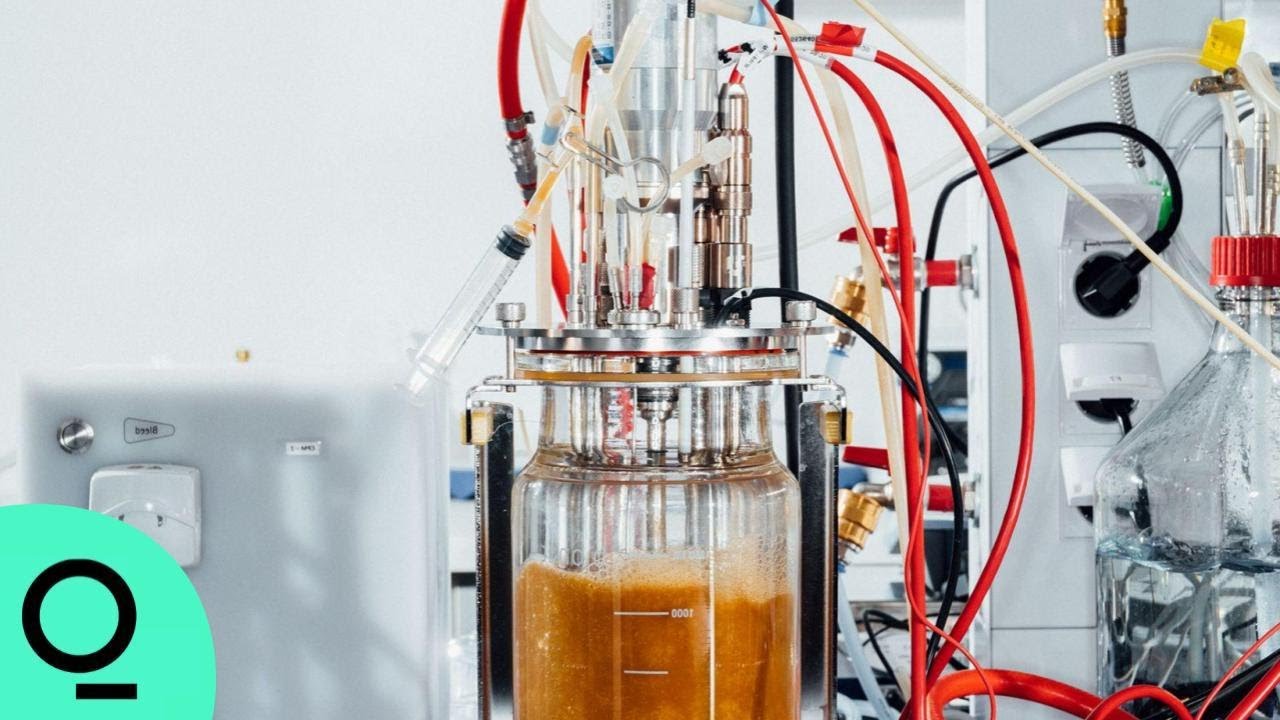
Companies such as MicroHarvest have built sealed chambers where a microbe is fed sugar, vitamins and oxygen. Inside, the cells undergo rapid cultivation and release a dense nutrient broth. This broth can be dried, mixed with spices and shaped into patties that look and taste surprisingly like beef. Because the process skips raising animals, it cuts the carbon footprint dramatically and uses a fraction of the water required for traditional farms. The approach also sidesteps concerns about animal welfare, making it an appealing alternative for many consumers. Engineers are testing larger bioreactors, proving that the method has good scalability. While some still label the result as lab-grown, the core is a simple microbe turned into a high‑quality protein source. Early taste tests show that people can’t always tell the difference between the microbe‑based product and real steak.
If the technology continues to improve, you may soon buy a package of microbe‑derived “steak” at the grocery store, getting the nutrition you need while reducing the strain on the planet.

