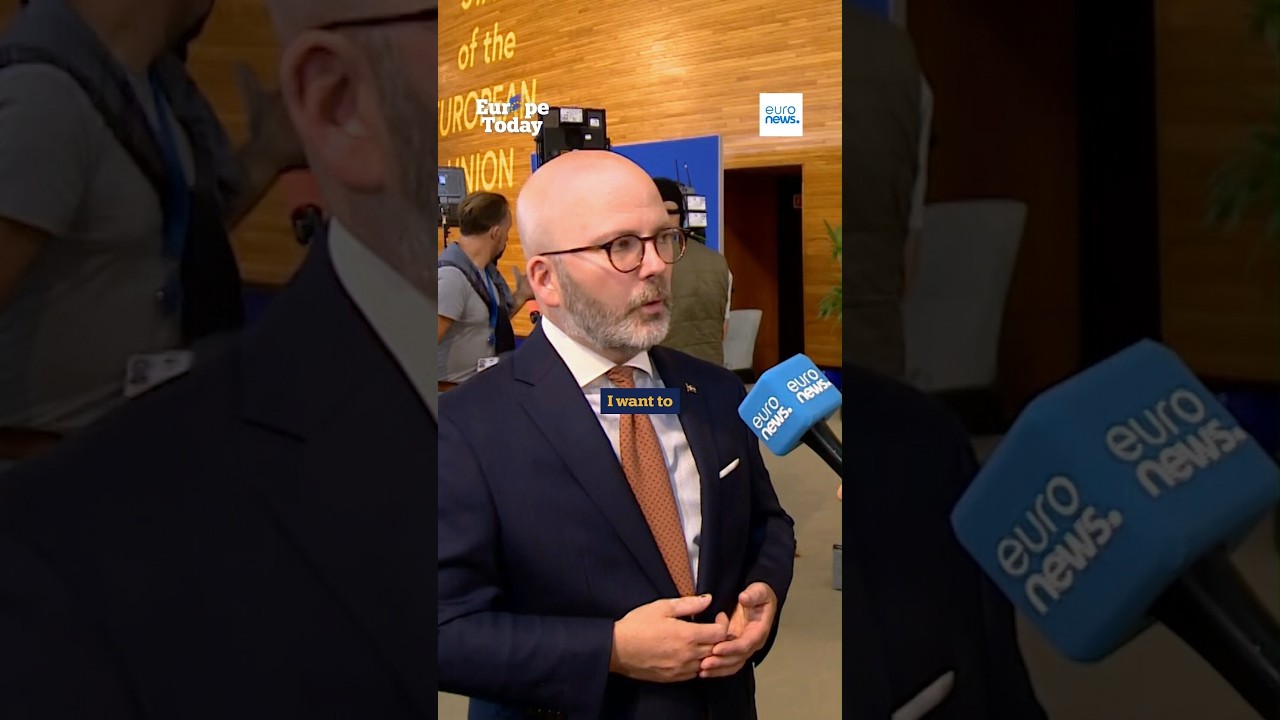

In a recent interview, European Parliament member Charlie Weimers warned that anyone who arrives in Europe without proper authorization will never truly belong here. He emphasized that illegal entry creates obstacles to feeling safe and accepted, and he framed the issue as a matter of national responsibility.
Weimers went further, stating that individuals seeking to impose Islamic law, known as Sharia, should be returned to their countries of origin. He labeled Spain’s upcoming migrant regularisation scheme a “mass amnesty for illegal residents,” sparking a heated debate across the continent. Supporters of the Spanish policy argue that regularising undocumented workers promotes integration and strengthens the labor market. Opponents counter that such an approach could undermine security and encourage more people to cross borders illegally, putting pressure on social services. The controversy also raises questions about whether new legislation is needed to manage the flow of people and protect the rights of both citizens and migrants. Critics of the plan point to the risk of a permanent “open‑door” mentality, while advocates stress humanitarian obligations and the benefits of orderly regularisation processes.
The remarks have already entered the headlines, highlighting how sharply divided European leaders are on the balance between compassion and control. As the discussion continues, citizens are left to consider how these policies will shape the future of their communities.

