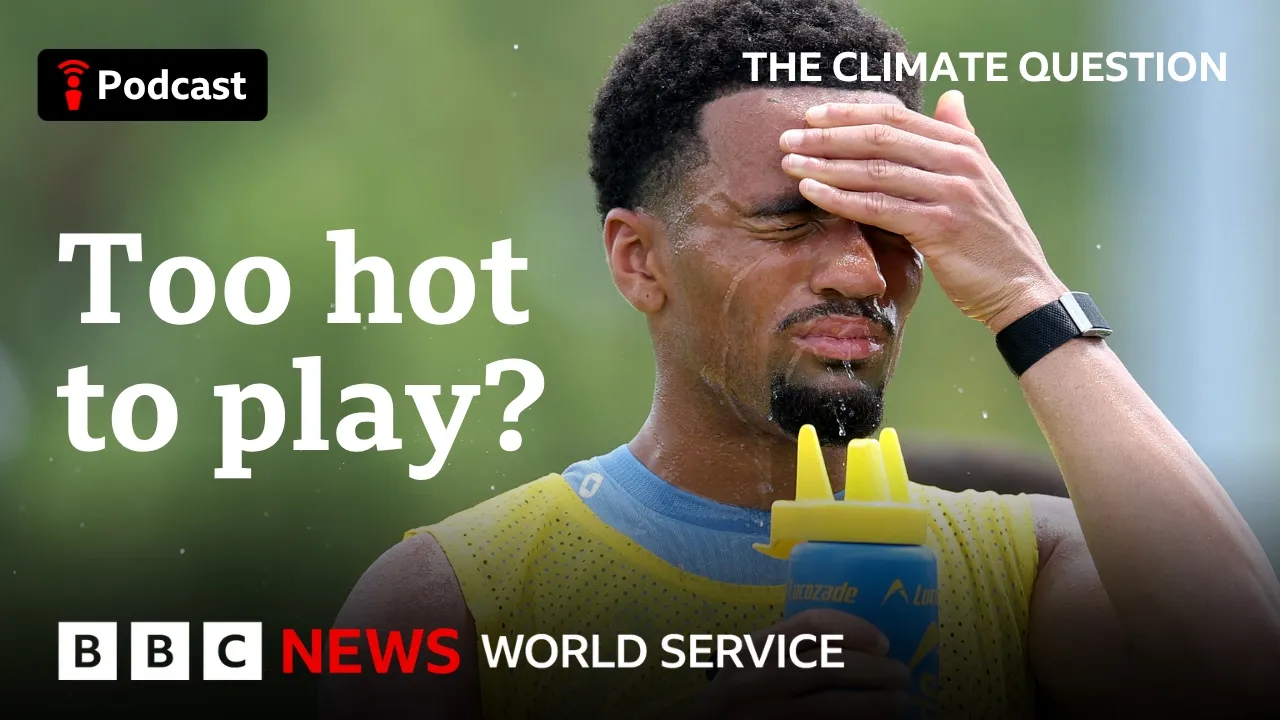

The World Cup is a major international football tournament that is watched by millions of people around the world. However, the event also has a significant impact on the environment. The temperature is rising, and this can make it difficult for players to perform at their best. The humidity is also a major concern, as it can cause players to become dehydrated and feel unwell. To mitigate these risks, players need to drink plenty of water and take regular breaks to cool down. Fans also need to take precautions, such as wearing sunscreen and hats to protect themselves from the sun.
The World Cup also has a significant impact on the ecology of the host cities. The event requires a lot of infrastructure, including stadiums, training facilities, and transportation systems. This can lead to pollution and emissions, which can harm the environment. Additionally, the event requires a lot of energy, which can contribute to climate change. To reduce the environmental impact of the World Cup, organizers need to implement sustainable practices, such as using renewable energy sources and reducing waste. The conservation of natural resources is also important, and the World Cup can have a negative impact on this.
Despite the negative effects of the World Cup on the environment, the event can also have positive impacts on the community. The tournament can bring people together and promote a sense of national pride. However, it is essential to balance these benefits with the need to protect the environment. By taking steps to reduce the environmental impact of the World Cup, organizers can help to ensure that the event is sustainable and enjoyable for everyone involved. The environmental impact of the World Cup is a significant concern, and it is essential to address this issue to ensure that the event is successful and sustainable.