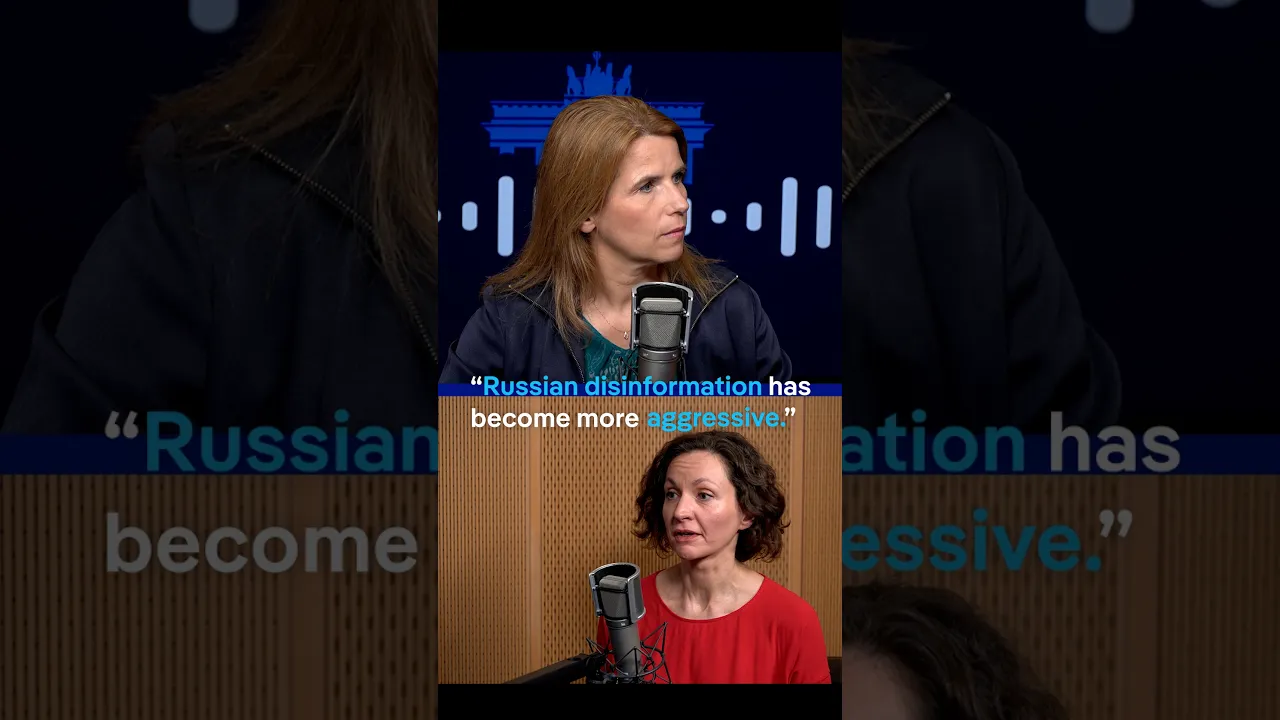

The situation in Germany is characterized by a significant escalation of disinformation campaigns, particularly since the start of the full-scale invasion of Ukraine. The use of artificial intelligence to produce disinformation on a large scale has added a new dimension to these campaigns, enabling the perpetrators to generate a high volume of convincing and aggressive content. While the quality of the disinformation is not always consistent, the sheer scale of the campaigns is a cause for concern, and the fact that Russia is investing so much effort in these campaigns is a clear indicator that the regional elections in Germany are of significant importance.
The person monitoring these campaigns expects the situation to worsen ahead of the elections, with a potential increase in propaganda and disinformation. The goal of these campaigns is to induce a governmental crisis, and the use of disinformation and propaganda is a key strategy. The situation is critical, and it requires careful monitoring and intelligence gathering to counter the disinformation. The challenge is significant, but it's essential for Germany's security and stability. The serious consequences of these campaigns highlight the need for a proactive approach to security and intelligence gathering.
The outcome of the regional elections in Germany will be closely watched, and the impact of disinformation campaigns on the electoral process will be a significant factor to consider. The use of artificial intelligence to produce disinformation adds a new layer of complexity to the situation, and it requires a nuanced understanding of the aggressive and convincing nature of these campaigns. The situation in Germany highlights the importance of being vigilant against disinformation and propaganda, and the need for a comprehensive approach to security and intelligence gathering.