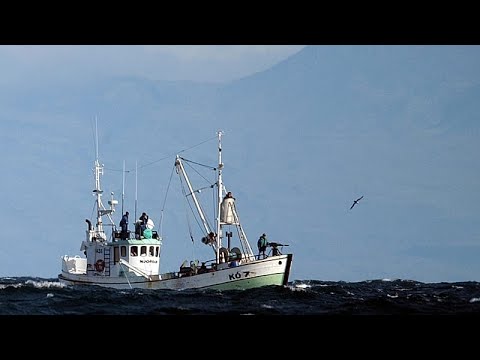

The incident of two whales being found dead on the coast of Iceland has precipitated a renewed debate about the ethics of whaling and the need for greater regulation and enforcement. The whales were caught on a Sunday night, two days after commercial whaling resumed, marking the first catches since 2023. The protester who had attached himself to the mast of one of the vessels in the port of Reykjavik was escorted away by police, according to local media. Iceland, Norway, and Japan are the only three countries that still openly permit whaling, despite international condemnation from the public and animal welfare organizations. Iceland's Marine and Freshwater Research Institute has recommended that no more than 150 fin whales are caught in the 2026 season, citing concerns about the sustainability of the industry.
The incident has highlighted the complexities of whaling and the need for a nuanced approach to the issue. While some argue that whaling is necessary for food security and cultural heritage, others contend that it is a cruel and unnecessary practice. The International Whaling Commission has implemented regulations to limit the number of whales that can be caught, but some countries have continued to ignore these rules. In the case of Iceland, the government has argued that whaling is necessary for the country's food security and cultural heritage, but critics argue that these claims are unfounded. The incident has sparked a renewed debate about the ethics of whaling and the need for greater regulation and enforcement.
The whales were brought back to shore, marking the first time whaling had happened since 2023. The incident has raised concerns about animal welfare and the ethics of whaling. Iceland's research institute has recommended that no more than 150 fin whales are caught in the 2026 season. Whaling is a highly contentious issue that has been debated for decades. Many people are against whaling because they think it is bad for animals.