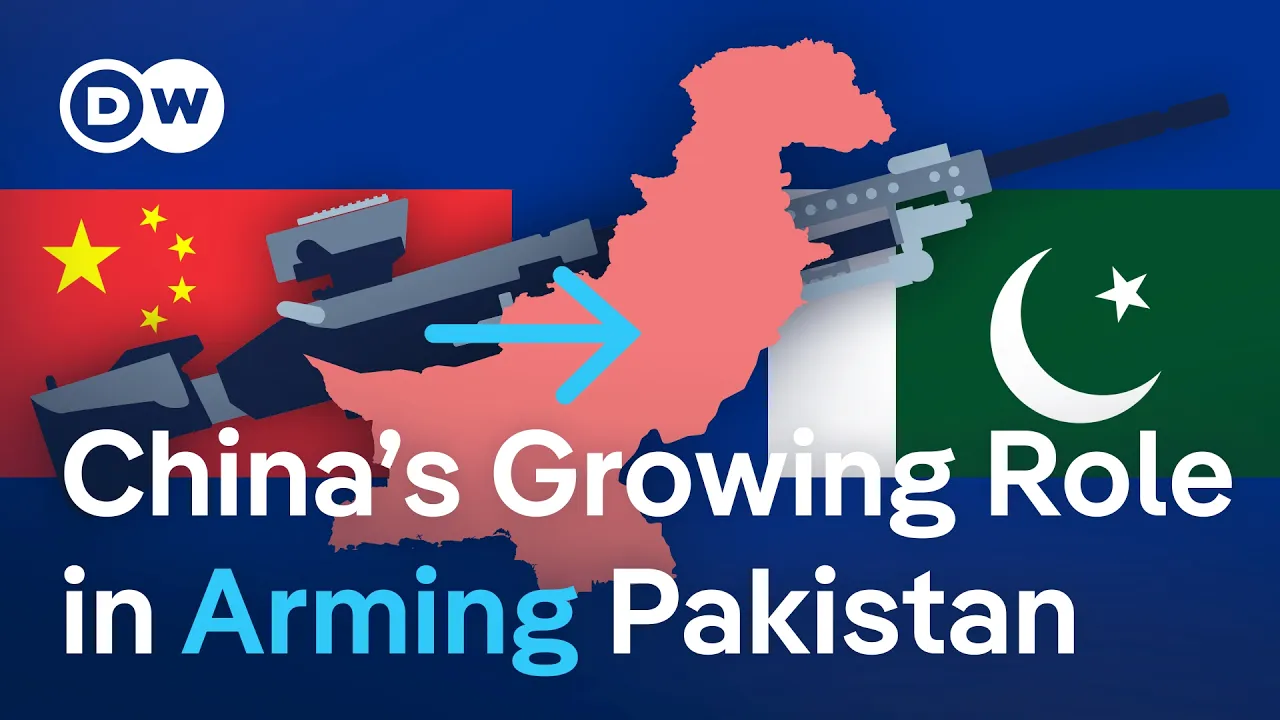

Pakistan's military is a critical component of its national security strategy, but its economic costs are substantial. The country's reliance on Chinese technology and investment has created a situation of dependency, which has significant implications for its economic autonomy. Furthermore, the country's ruling elites have prioritized military strength over economic development, leading to a situation where the country is unable to strike a balance between its security needs and economic prosperity.
The relationship between Pakistan and China is a multifaceted one, encompassing economic, military, and strategic dimensions. China's investment in Pakistan's infrastructure, including the development of the F-17 fighter jet, has been significant, but it has also created a situation where Pakistan is heavily dependent on China for its military needs. In fact, over 80% of Pakistan's defense requirements are met by China, which has significant implications for the country's economic and strategic autonomy.
Pakistan's security challenges, including tensions with India and instability in Afghanistan, have necessitated a significant increase in military spending. However, this has come at a substantial economic cost, which the country is struggling to manage. The country's ruling elites have prioritized military strength over economic development, leading to a situation where the country is unable to strike a balance between its security needs and economic prosperity.