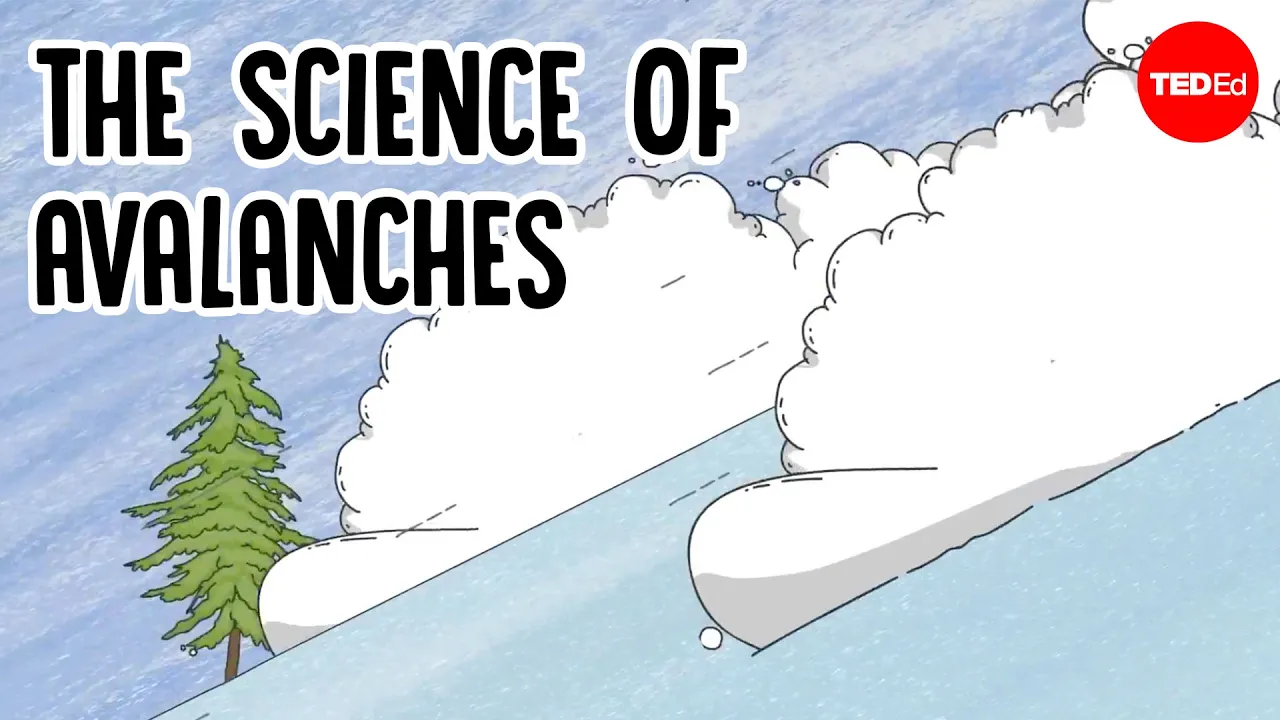

The near-fatal experience of pro skier Elyse Saugstad in the Cascade Mountains in 2012 underscores the complexities and nuances of avalanches. The interplay between the slope of the mountain, the snowpack, and the trigger that sets off the avalanche is a delicate one, and even small changes in these factors can have a significant impact on the likelihood and severity of an avalanche. The propagation of the fracture in the snowpack can be rapid, making it challenging to predict where and when an avalanche will occur.
The terrain of the mountain, including the presence of obstacles such as trees or rocks, can also influence the speed and destructiveness of the avalanche. Furthermore, the type of snow involved, whether it is powder or wet snow, can affect the avalanche's behavior. Mitigation efforts, such as closing off certain areas or using explosives to trigger controlled avalanches, can help reduce the risk of avalanches, but they are not foolproof. The use of airbags and other safety devices can also help reduce the risk of injury or death in the event of an avalanche.
Ultimately, the key to surviving an avalanche is to be aware of the risks and take precautions. This includes checking the avalanche forecast before heading out, being aware of the terrain and snowpack, and knowing how to use safety devices such as airbags. By taking these precautions, skiers and snowboarders can minimize their risk of being caught in an avalanche and stay safe on the slopes.