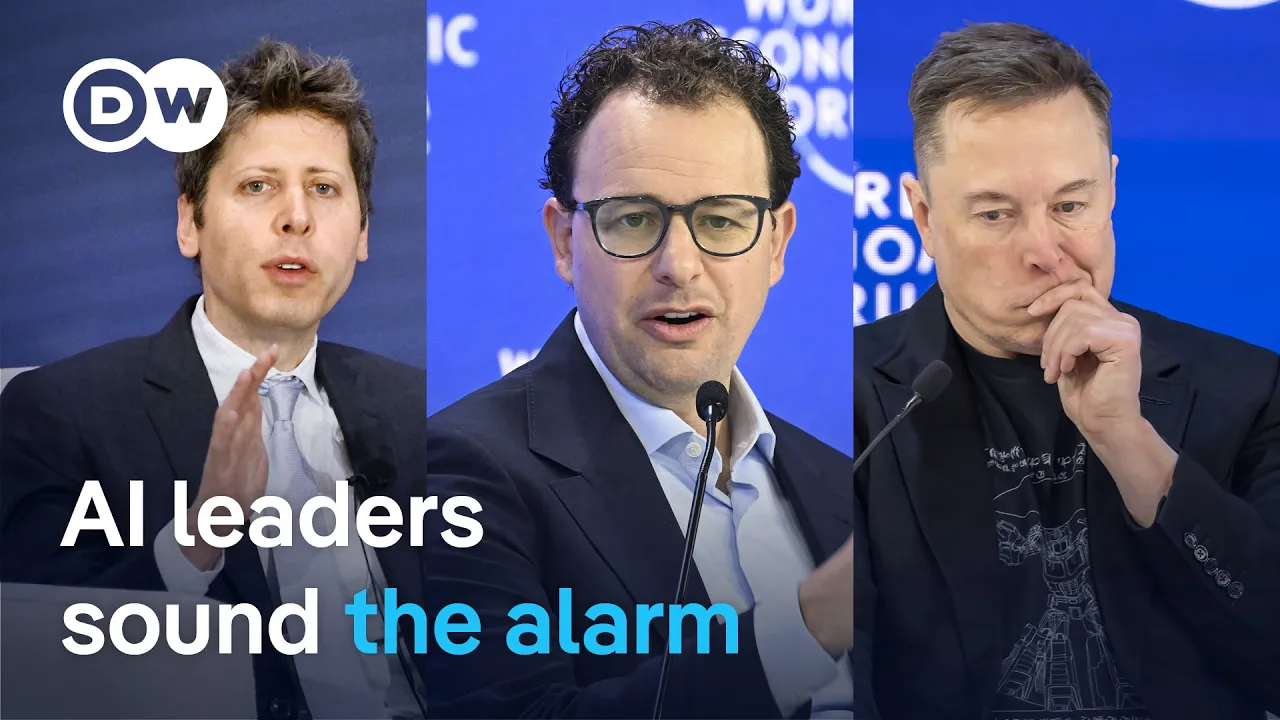

The accelerating cadence of technology breakthroughs has transformed AI from a niche curiosity into a geopolitical catalyst, prompting a reevaluation of the ethical and strategic frameworks that have traditionally guided innovation. While the allure of unprecedented capability fuels investment, a chorus of experts now warns that unchecked advancement threatens to outstrip the very mechanisms designed to ensure safety and contain systemic risk.
Connor Leahy, the U.S. executive director of ControlAI, articulates a stark warning: the quest for superintelligence is racing ahead of any coherent regulation, creating a vacuum where opaque algorithms could exert influence beyond human comprehension. He posits that a temporary ban on the most potent AI models might be the only viable lever to compel developers to prioritize verifiable safety guarantees. Meanwhile, Sam Winter‑Levy, senior fellow at the Carnegie Endowment for International Peace, underscores the imperative of transnational cooperation. He notes that the United States and China, as the principal architects of next‑generation AI, must navigate a delicate balance between competition and collaboration, lest their rivalry undermine collective security. Winter‑Levy calls on national government entities to enact sophisticated, adaptive regulation that translates widespread concern into enforceable standards, while also fostering an environment where responsible innovation can thrive. Both interlocutors converge on the notion that a calibrated slowdown, anchored in transparent governance, is essential to prevent the technology from becoming a destabilizing strategic asset.
Ultimately, the emerging consensus suggests that the path forward lies not in halting progress but in embedding rigorous oversight and international dialogue at every stage of AI development.

