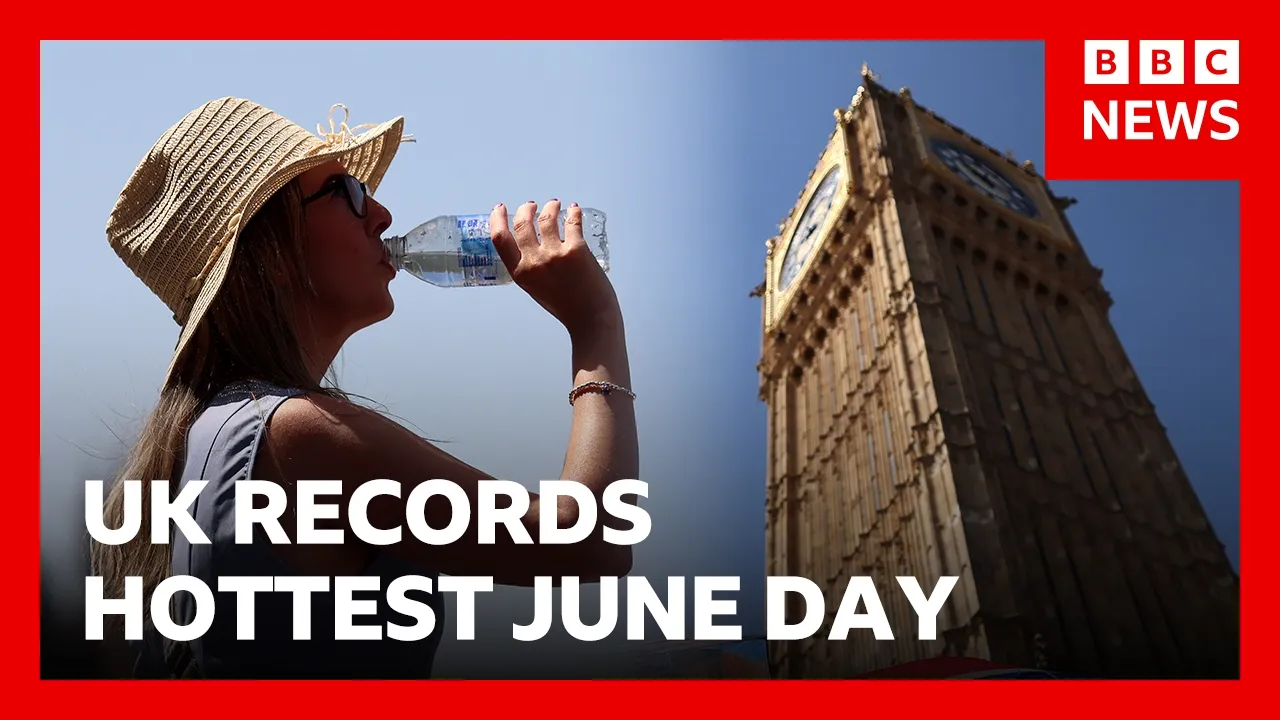

The heat wave currently affecting Europe is a paradigmatic example of the climate crisis we are facing. The government has issued a rare warning for extreme heat, with temperatures reaching 36.7° in Somerset. The health alert has been raised to its highest level, and some schools have closed as a precaution. The environment is also being affected, with carbon emissions contributing to the rising temperatures.
According to Dr. Khloe Brimikham, a climate scientist, Europe is the fastest warming continent in the world, with temperatures rising twice as fast as the global average. The heat wave is caused by blocking high pressure systems and the jetstream, which is a fast-moving band of air in the atmosphere. Dr. Brimikham warns that heat stress and heat stroke can be serious health risks, especially for the over 65s. She advises people to stay cool, drink plenty of water, and take regular breaks to avoid mortality. The impact of the heat wave is being felt across Europe, with transport services disrupted and hospitals overwhelmed.
The UK government has approved the seventh carbon budget, which aims to reduce carbon emissions and mitigate the effects of climate change. Dr. Brimikham says that if we don't reduce carbon emissions, we could be experiencing 45° C heat waves by 206. It's essential to take action to reduce our carbon footprint and protect the environment for future generations. This can be achieved through sustainable practices, such as using public transport, reducing energy consumption, and increasing the use of renewable energy sources. Furthermore, it's crucial to develop and implement adaptation strategies to mitigate the effects of climate change and ensure a resilient future for all.