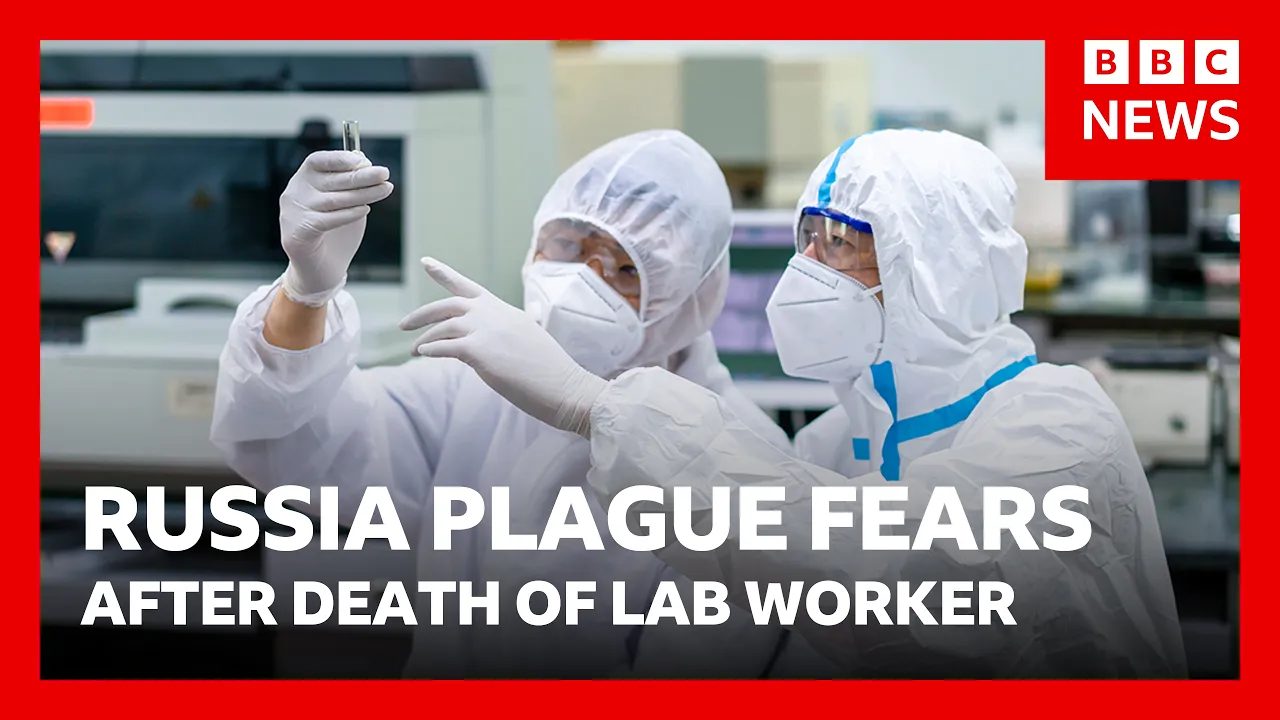

A shroud of geopolitical tension and public health anxiety has descended upon Siberia following the mysterious demise of a young researcher at a state-run plague laboratory. The death of 28-year-old Darya Shipilova has galvanized international health authorities, prompting urgent demands for transparency from a notoriously secretive Russian state.
The fatal incident unfolded at a specialized research institute in the Irkutsk region, instantly igniting a firestorm of speculation regarding the laboratory's containment integrity. While unconfirmed reports circulated that Shipilova had inadvertently compromised a vial containing a virulent pathogen, alternative theories posited that she contracted the disease during an ecological expedition studying wild rodents, which serve as natural reservoirs for the plague. In a swift bid to avert a localized epidemic, health officials quarantined nearly 200 contacts under rigorous clinical observation, all of whom have thankfully tested negative for pneumonic plague. Russia’s federal health watchdog, Rospotrebnadzor, has aggressively downplayed the crisis, attributing her death to a severe case of pneumonia of an undetermined etiology in an apparent effort to control the narrative.
Yet, the opaque circumstances of her death continue to invite skepticism from the international community. Foreign diplomats insist that it is incumbent upon the Kremlin to cooperate fully with global health monitors to verify these claims.

