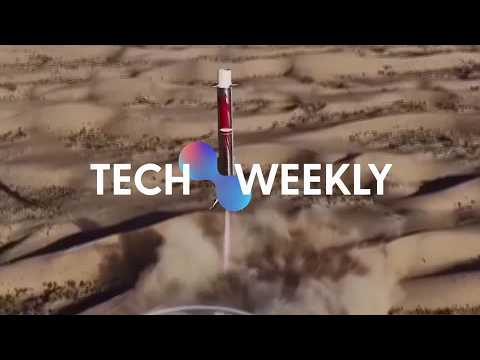

This week’s technological landscape offers a stark look at hardware innovation, where terrestrial robotics meet orbital logistics. Engineering teams are aggressively stress-testing hardware in real-world environments, pushing past computer simulations to demonstrate real physical capability under unforgiving real-world conditions.
In Beijing, an impressive gathering of bipedal platforms showcased natural strides and steady footing during an outdoor sprint competition. Designers pushed every specialized actuator and onboard control algorithm to its limit, evaluating how adaptive neural networks handle variable surface friction and maintain balance during high-speed gait adjustments. This shift toward outdoor stress testing signals that machine mobility is maturing beyond controlled laboratory demos into field-ready platforms. Concurrently, the satellite transport market is experiencing a surge of venture-backed competitors aiming to dismantle SpaceX's long-standing orbital hegemony. Emerging space startups are validating multi-stage liquid propulsion architectures optimized for rapid post-flight refurbishment. By reducing turn-around times between launches and taking advantage of component miniaturization, each prospective disruptor seeks to prove the economic viability of localized reusable rocketry, threatening to reset market prices for commercial payloads worldwide.
The convergence of mobile robotics and private space flight highlights a hardware revolution grounded in unit economics. As bipedal systems hit urban streets and reusable rockets target orbit, the boundaries of automated labor and off-world logistics are being actively redefined.