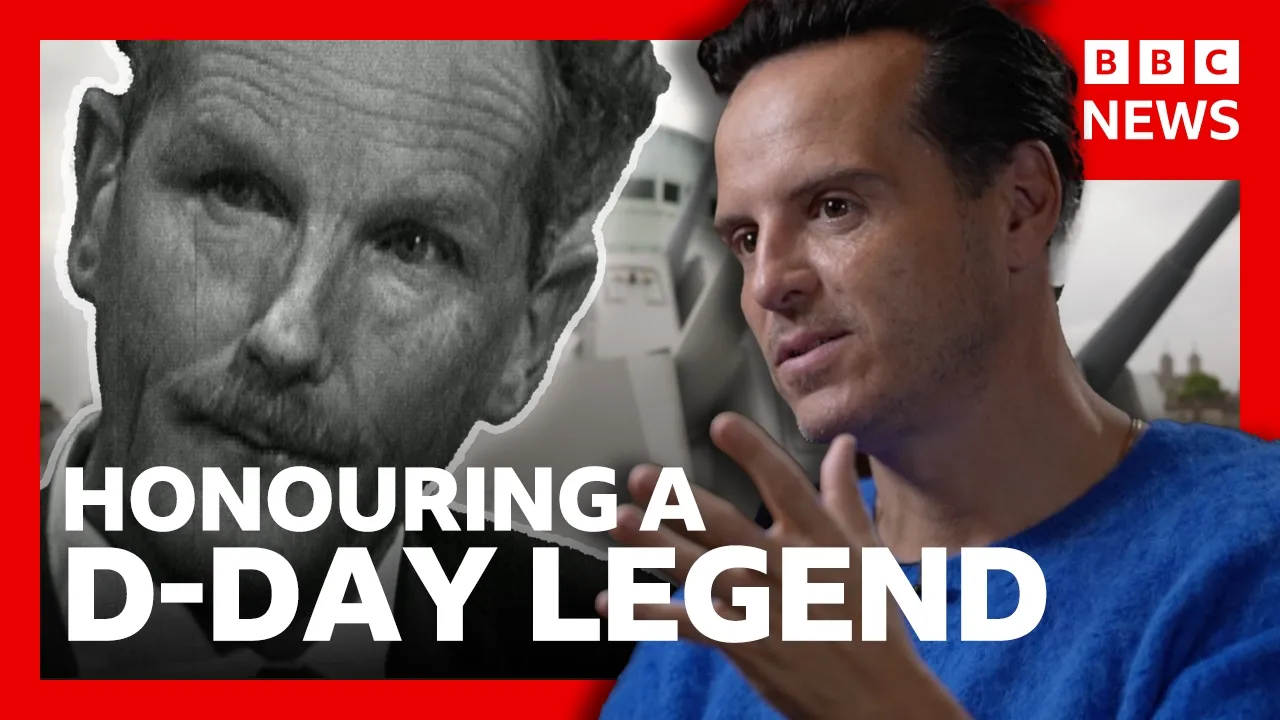

While military textbooks laud the strategic genius of generals, the success of the Normandy landings pivoted on the resolve of an unsung Scottish scientist. In the gripping new feature film Pressure, Andrew Scott steps into the shoes of James Stagg, the chief meteorologist tasked with reading the volatile skies of the English Channel. Scott’s portrayal masterfully resurrects a high-stakes historical episode where a single scientific reading dictated the fate of the free world.
By early June 1944, the Allied command had finalized plans for a massive invasion of occupied Europe, scheduled for June 5. However, Stagg’s meticulous analysis of transatlantic pressure systems led him to issue a grim forecast that contradicted his American counterparts' optimistic outlook. He had to convince General Eisenhower to postpone the operation, a decision fraught with geopolitical peril as thousands of troops were already cooped up in transport ships. This crucial intervention was agonizing; a false alarm would ruin the element of surprise, while ignoring the warning would invite a military catastrophe. Scott captures the suffocating pressure of Stagg’s position, highlighting the sheer isolation of a man relying on analog charts and barometers to make a decision of such magnitude. Stagg’s steadfast refusal to yield to political expediency ultimately forced Eisenhower’s hand, delaying the assault by a single day.
Stagg’s remarkable accuracy was vindicated when a ferocious storm battered the French coast on June 5, validating his delay and paving the way for a successful landing on June 6. This film serves as a poignant reminder of the quiet, agonizing decisions that forge our collective history. It challenges us to appreciate the weight of scientific truth when pitted against the momentum of war.

