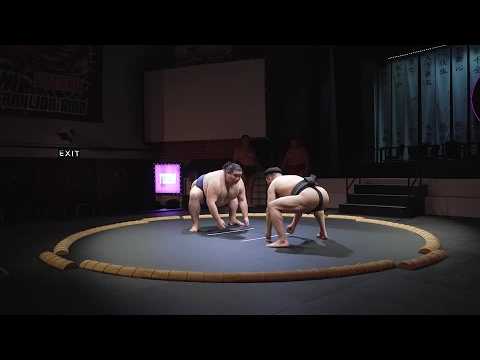

Sumo wrestling is a sport that has been an integral component of Japanese culture and religion for 1,500 years, with a rich and complex history that is steeped in tradition and ritual. The creators of a sumo show sought to ensure that they did not appropriate the sport, but rather found a way to translate it to a Western audience in a meaningful and culturally sensitive manner. They utilized a narrative based on Japan's creation myth to provide context and explanation for the sport, and to highlight the symbolic and metaphorical significance of the sumo wrestlers as avatars of Japanese deities.
The show is not merely a performance, but a means for sumo wrestlers to earn a livelihood and to perpetuate the sport's cultural heritage. The sport requires a tremendous amount of training and dedication, and becoming a professional sumo wrestler is a rare and exceptional achievement that is steeped in tradition and ritual. The creators of the show hope that it will inspire more people to watch sumo wrestling in Japan and learn about the sport's rich history and significance, and to develop a deeper appreciation for the sport's cultural context and symbolic meaning. If the show can encourage even one person to develop an interest in sumo, it will be a highly meaningful outcome that will help to promote a greater understanding and appreciation of Japanese culture and tradition.
In conclusion, sumo wrestling is a complex and multifaceted sport that is deeply rooted in Japanese culture and religion, with a rich and complex history that is steeped in tradition and ritual. The show is a valuable resource for learning about sumo and Japanese culture, and it is not just a performance, but a way for sumo wrestlers to make a living and to perpetuate the sport's cultural heritage.