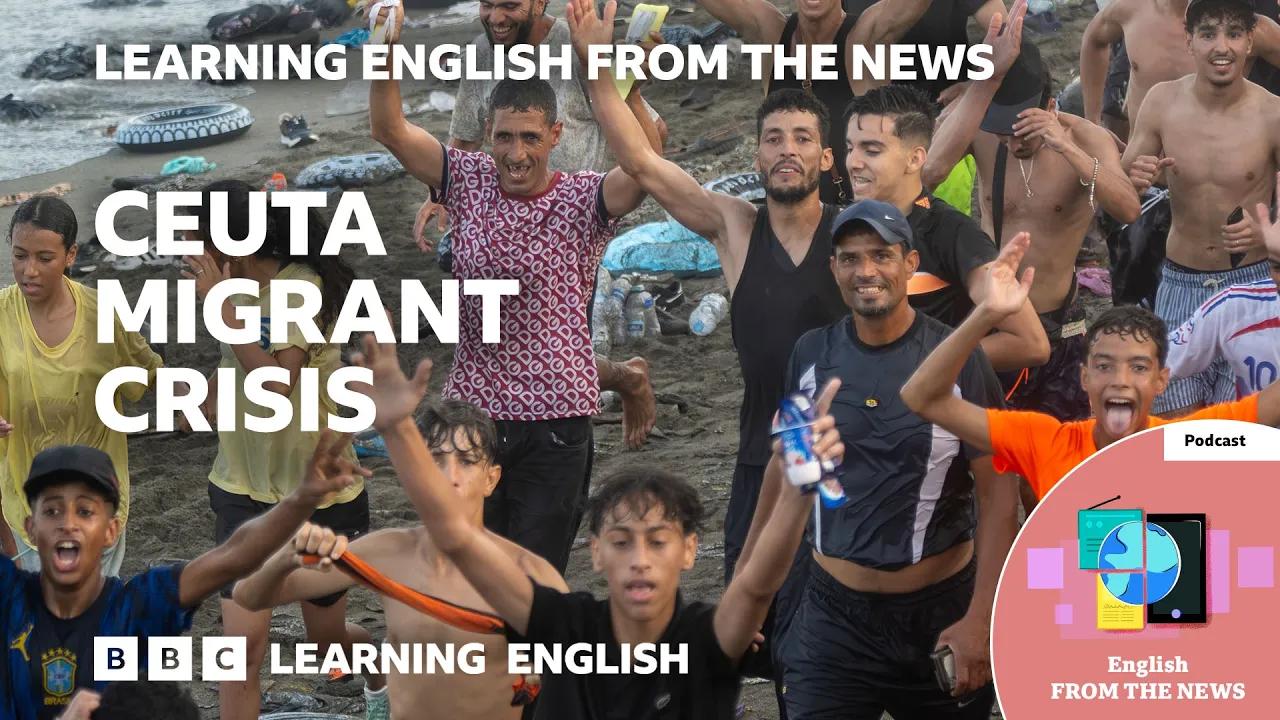

The migrant crisis in Ceuta, a Spanish territory in North Africa, has brought attention to the complex issues surrounding migration and borders. The recent incident, in which about 60,000 people from Morocco tried to cross the border into Ceuta, has highlighted the need for stronger security measures and better communication between authorities and migrants. The role of social media in the migrant crisis has also been highlighted, with some people believing that messages on social media encouraged migrants to try to cross the border into Ceuta.
The cooperation between countries is crucial in addressing the migrant crisis. The European Commission has called for countries to work together to stop people smuggling and to make the borders safer. The vocabulary used to describe the migrant crisis is also very important, as it can help to shape our understanding of the issue. The agenda of the European Union has also been affected by the migrant crisis, with some people believing that the EU needs to do more to address the issue. The runaway rumors about Ceuta, which were spread on social media, also played a role in the migrant crisis. The desperate situation of the migrants, who were trying to cross the border into Ceuta, is also a reminder of the need for compassion and understanding.
The migrant crisis in Ceuta has also raised questions about the chaotic situation in the territory, which was caused by the large number of migrants. The whipped up emotions and reactions to the crisis have also been a challenge for authorities to manage. The pushed up the agenda topic of migration has become a priority for the European Union, with many countries calling for stronger borders and better cooperation to address the issue. The complex nature of the migrant crisis requires a nuanced and multifaceted approach, taking into account the needs and concerns of all parties involved.