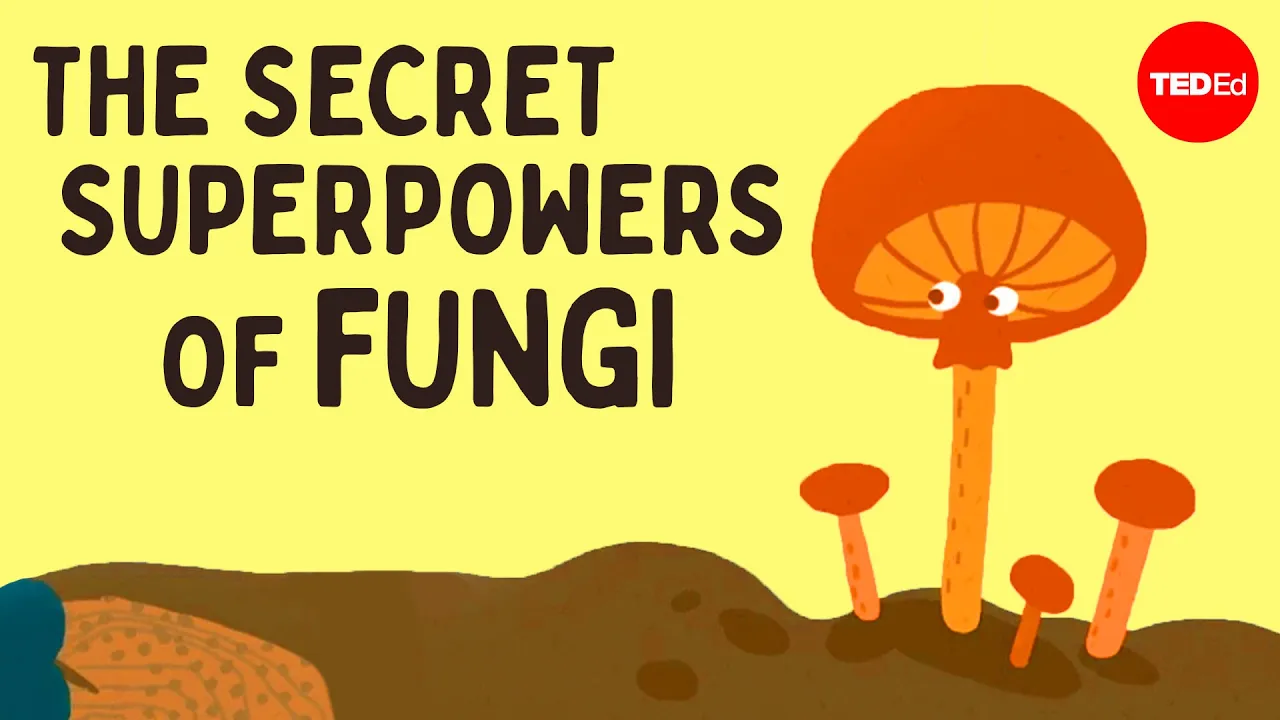

The diversity of fungi is a testament to the incredible range of adaptations that have evolved in this kingdom. From the microscopic fungi that live in the soil to the large macrofungi that produce fruiting bodies, each type of fungus has its own unique characteristics and strategies for survival. One of the most fascinating things about fungi is their ability to form symbiotic relationships with other organisms, such as plants and insects.
These relationships can be mutually beneficial, with both organisms providing something to the other. For example, mycorrhizal fungi form relationships with plant roots, providing them with essential nutrients such as phosphorus and nitrogen. In return, the plants provide the fungi with carbohydrates produced during photosynthesis. This type of relationship is an example of mutualism, where both organisms benefit from each other's presence. The complexity of these relationships is a testament to the resilience and adaptability of fungi in the face of changing environmental conditions.
The study of fungi is an interdisciplinary field that draws on biology, ecology, and evolutionary biology. By exploring the diversity of fungi and their roles in the ecosystem, scientists can gain a deeper understanding of the complexity of life on Earth and the interconnectedness of all living things. This knowledge can also inform conservation efforts and help to develop new strategies for managing ecosystems and promoting biodiversity.