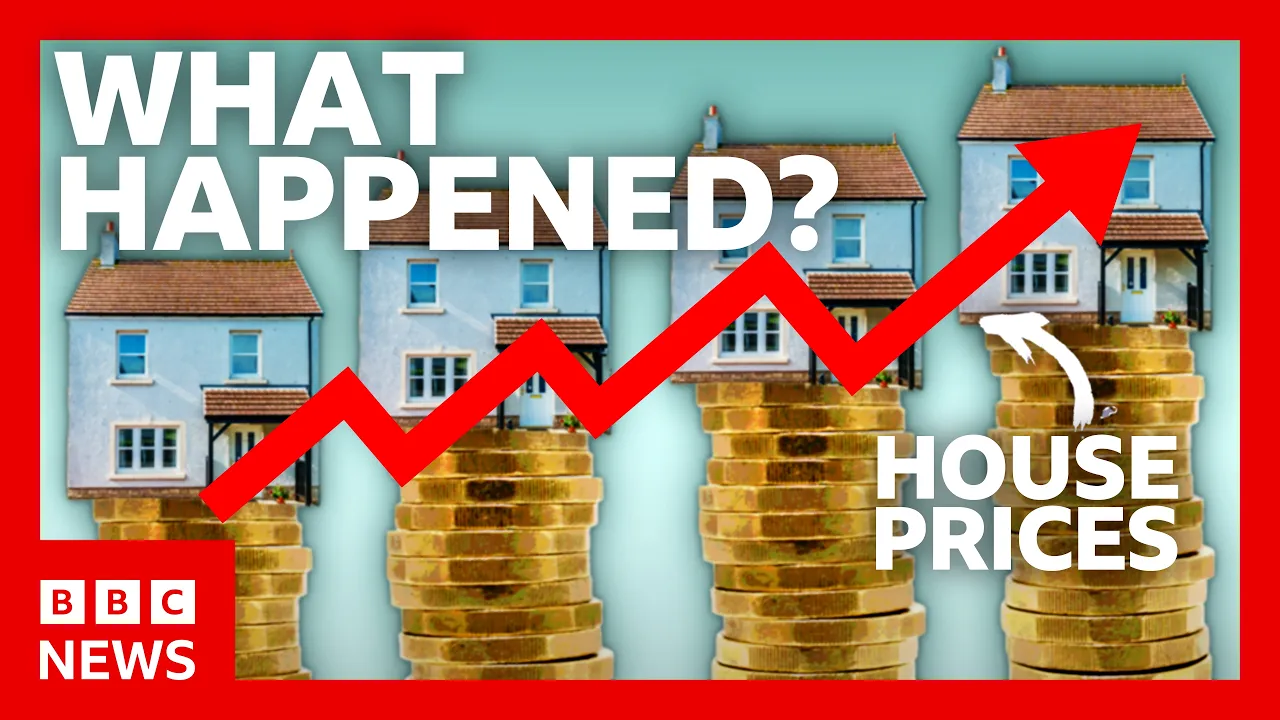

Navigating the contemporary UK housing market often feels like an exercise in frustration, particularly when comparing your prospects against those of your predecessors. Young adults born in the mid-1990s face a starkly skewed economic reality, entering homeownership at half the rate recorded thirty years ago. However, subtle macroeconomic adjustments are quietly reframing this narrative for prospective buyers.
After decades during which real estate appreciation wildly outstripped income growth, official figures indicate that home valuation metrics relative to household earnings have experienced a modest downturn across England and Wales. The structural roots of the crisis lie in systemic planning bottlenecks, severe land supply constraints, and a precipitous rise in construction overheads that consistently stymied development. Furthermore, high rental costs disproportionately hampered young professionals from accumulating deposit capital, locking millions out of capital accumulation. The recent escalation in wage growth alongside static house prices has nevertheless recalibrated real affordability levels. Looking back at historical precedents—such as Victorian-era housing expansions—underscores that sustained supply increases are vital to restoring market equilibrium. This current cooling period offers a brief window where purchasing power is incrementally recovering.
While structural housing deficits remain far from resolved, this modest realignment offers tangible relief for buyers looking to secure a footing. Staying financially agile and monitoring localized pricing trends remains essential in this evolving landscape.