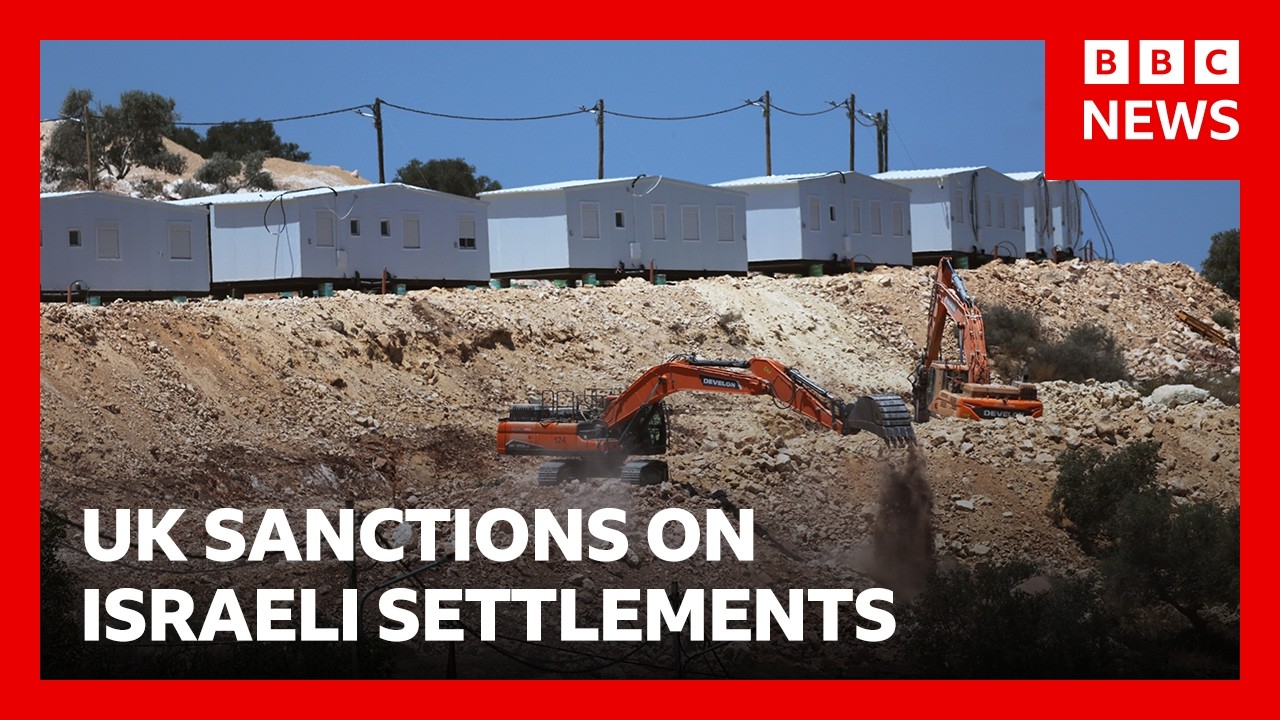

A sharp geopolitical fissure opened in London this week as British ministers unveiled targeted economic curbs on commercial pipelines originating from contested West Bank enclaves. The decisive move signals an uncompromising break from decades of diplomatic ambiguity regarding territorial governance.
Leading the policy recalibration, Foreign Secretary Ed Miliband addressed the Commons to codify trade barriers against goods produced in settlements that directly contravene international treaties. Tensions peaked following Israel's release of municipal development stipulations to construct 1,200 residential units across occupied sectors, prompting Britain to act decisively against these outposts. The Whitehall announcement provoked a fiery diplomatic rebuff from US Ambassador Mike Huckabee, who signaled that individual US state legislatures could orchestrate targeted commercial reprisal measures against British corporate entities. Huckabee criticized the unilateral stance as counterproductive to broader regional stability, underscoring how belligerent regulatory divergence threatens the traditionally united transatlantic front. This showdown transforms routine product certifications into a high-stakes arena of competing international legal doctrines, creating a profoundly fractious dispute among long-standing allies.
As London enacts these trade prohibitions, global market participants must confront a splintered regulatory reality where sovereign commerce and geopolitical red lines continuously collide.

