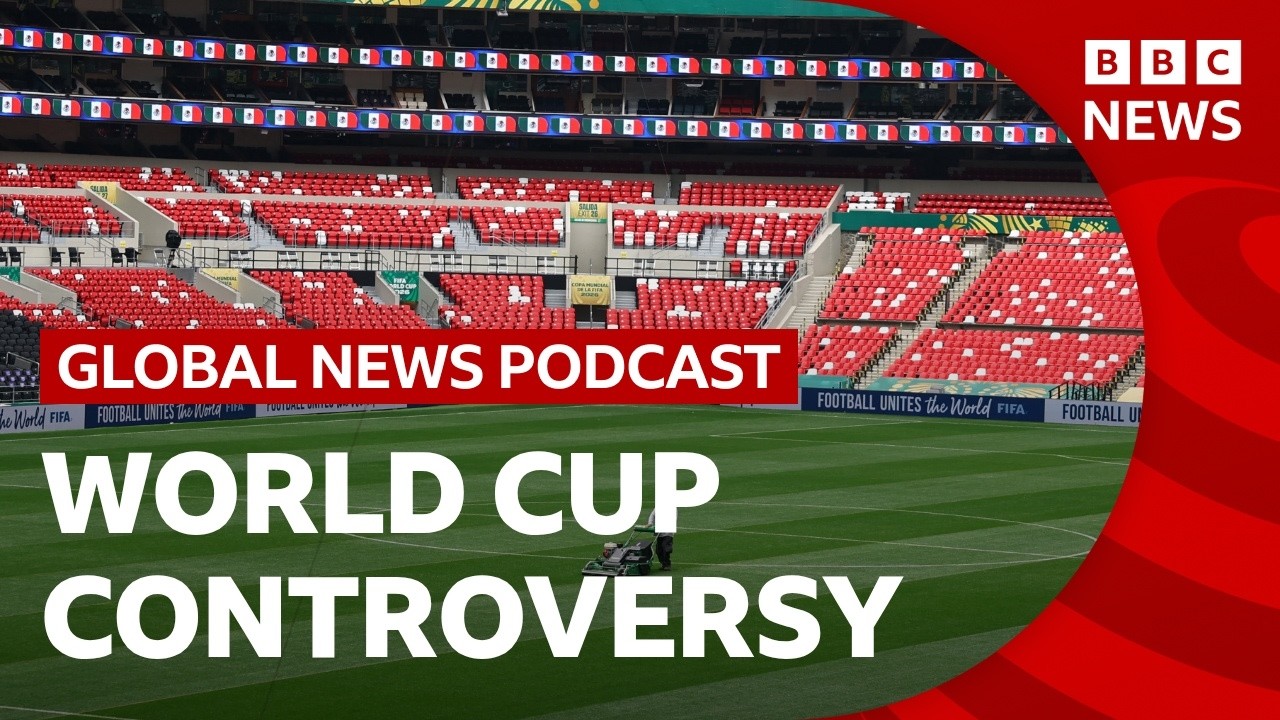

The World Cup is a paradigm of complexity and challenging situations. The tournament involves 48 teams playing 104 matches, and is being hosted by three countries: the United States, Canada, and Mexico. However, the tournament has been marred by controversy, particularly with regards to the Iranian team. The team has been facing logistical problems, including not being able to stay in the United States and having issues with visas. Some team members have been denied visas and are not allowed to enter the country. The team is not sure if they can participate in the tournament. The government is very strict. The immigration rules are very tough. The referees are very worried. The players are very skilled. The matches will be very competitive. The outcome is very uncertain. The world is watching the World Cup. The football fans are very excited.
The World Cup has also been affected by political issues. The United States and Iran have a complicated relationship, and this has caused problems for the Iranian team. The team has had to move their base to Mexico and can only enter the United States for their matches. The fans are worried about the situation and are not sure if they can enter the country. A referee from Somalia was also denied a visa and was not allowed to enter the United States. The tournament is a major event in the football calendar, and the world is waiting to see what will happen. The football fans are very eager to watch the matches. The players are very skilled. The matches will be very competitive. The outcome is very uncertain. The world is watching the World Cup. The football fans are very excited. The tournament will be very interesting. The teams will be very determined. The fans will be very passionate. The matches will be very intense.
The World Cup will continue despite the problems. The matches will be played, and the teams will try to win. The fans will try to enjoy the matches, but the controversy will not go away. The situation is very complicated, and it is not clear how it will be resolved. The tournament is a microcosm of the complexities of the world. The football fans are very excited to watch the matches. The players are very skilled. The matches will be very competitive. The outcome is very uncertain. The world is watching the World Cup. The football fans are very eager to watch the matches. The tournament will be very interesting. The teams will be very determined. The fans will be very passionate. The matches will be very intense. The world is waiting to see what will happen.