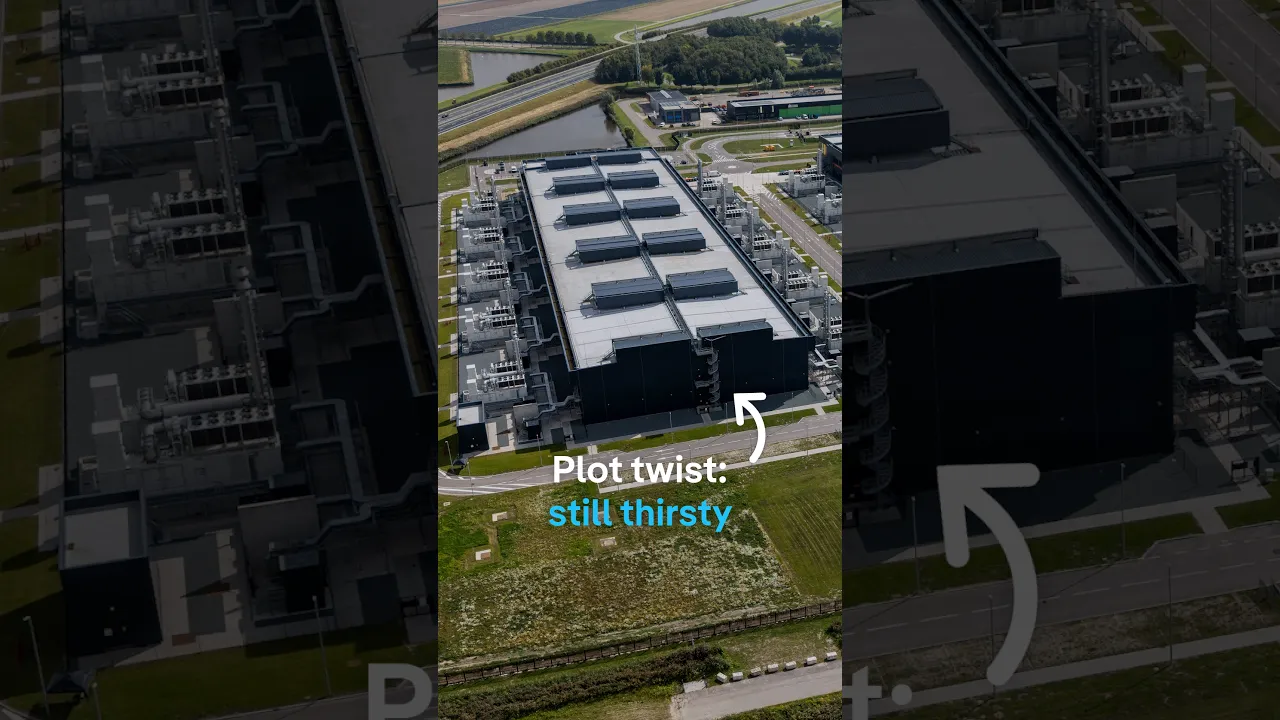

Whenever you stream a video or prompt an artificial intelligence model, a massive computer facility somewhere works overtime. These processing hubs generate immense heat, requiring sophisticated cooling methods to prevent total hardware failure. While tech leaders boast about green engineering, researchers are raising urgent questions about how much liquid these systems actually drink.
Industry leaders often boast that modern evaporative cooling mechanisms rely on minimal natural resources. They argue that closed-loop technology recycles moisture, drastically cutting daily consumption. However, actual industry data paints a far more complicated picture. A single large data center can consume up to five million gallons of fresh liquid every day to lower equipment temperatures. In dry regions already battling water scarcity, this massive appetite puts intense strain on municipal reservoirs and local agriculture. When a severe drought hits a region, local residents often find themselves competing directly with giant tech campuses for basic utilities. Furthermore, the overall environmental footprint extends beyond direct site usage. Generating the massive electrical supply needed to power these processors from the local power grid requires thousands of additional gallons at power generation plants. Experts demand greater corporate transparency so communities can measure the true ecological cost of their digital habits and evaluate real engineering efficiency.
With artificial intelligence expanding rapidly worldwide, managing resource usage is no longer optional. Communities near tech hubs now demand clear limits before local water supplies dry up completely.