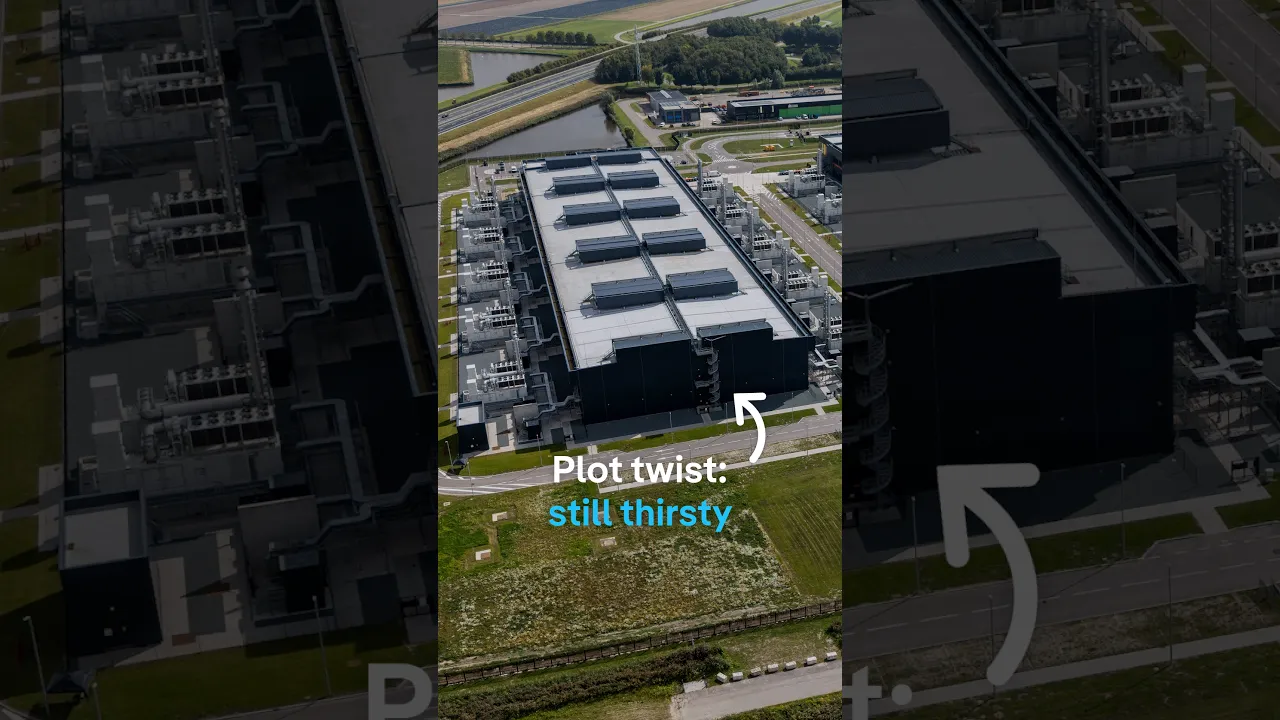

The exponential boom in artificial intelligence and cloud computing has triggered a silent environmental dilemma right beneath our feet. As tech corporations build massive data hubs worldwide, public concern over their hidden environmental footprint is intensifying among local communities and environmental watchdogs.
While tech giants promote their investments in sustainable closed-loop cooling, empirical research reveals a stark discrepancy between corporate PR and ground realities. Cooling high-density microprocessors demands colossal liquid volumes, often drawn directly from local municipal supplies or vulnerable underground aquifer reserves. In regions already facing acute climate stress, this unchecked usage threatens local watershed health and accelerates subterranean water depletion. Beyond direct liquid intake for thermal regulation, the regional power infrastructure servicing these centers heavily relies on hydroelectric dams or thermal power plants that consume millions of additional gallons of water during energy generation. Facing fierce community pushback and heightened regulatory scrutiny, engineers are experimenting with liquid immersion cooling and air-chilled condensers to mitigate ecological risks, though scaling these solutions remains financially and technically challenging.
Balancing high-speed digital infrastructure with vital natural resources demands realistic solutions rather than corporate promises. Without rigorous oversight, your daily online searches could cost dry communities their long-term water security.