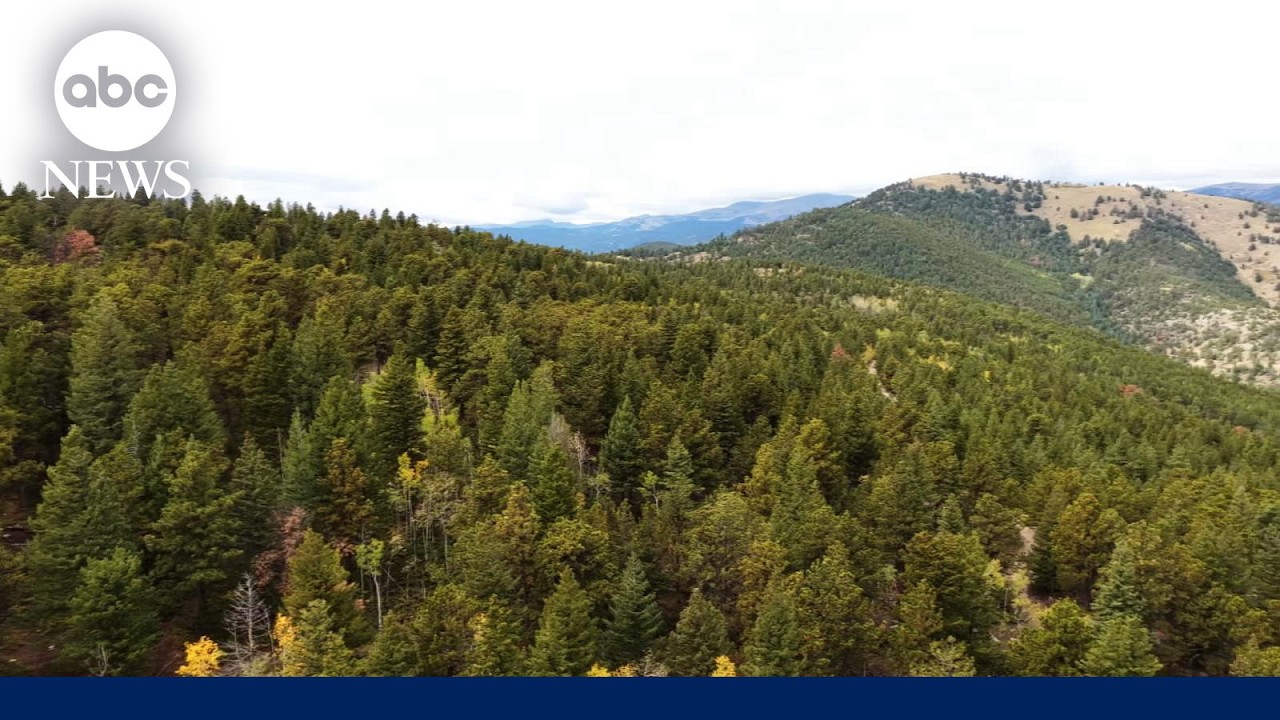

In Boulder County, Colorado, a legal battle has reached the Supreme court. Residents claim that oil companies should be held financially accountable for the worsening climate conditions that are fueling a surge of destructive beetle infestations in local forest areas.
The bark beetle outbreak began when unusually warm winters allowed the insects to survive and multiply. As the insects burrow into tree bark, they disrupt the flow of nutrients, causing massive damage to the forest. Dead trees then release large amounts of emissions, which further accelerate climate warming. Scientists explain that this feedback loop creates a vicious cycle: hotter temperatures help more beetles spread, which leads to more tree damage and higher emissions. Local officials argue that oil companies, whose historic emissions have contributed to global warming, bear a responsibility to address the consequences. They filed a lawsuit seeking funds for reforestation, fire prevention, and research on protecting trees from future beetle attacks. If the judges rule in favor of the community, a substantial settlement could be imposed, directing billions of dollars toward restoration and mitigation projects.
The upcoming hearing before the Supreme court will determine whether the legal precedent expands to hold fossil‑fuel producers liable for indirect environmental harms. A decision in favor of the plaintiffs could reshape how society assigns responsibility for climate‑related damage and set a new standard for future lawsuits.

