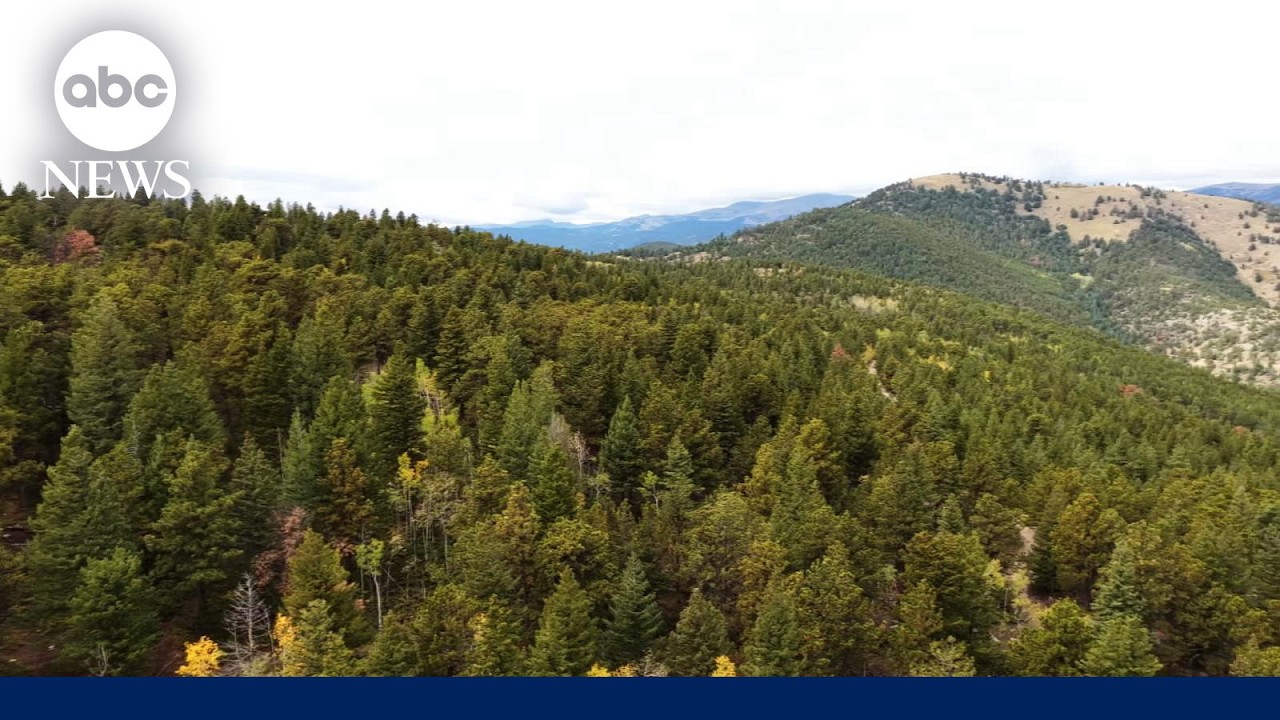

The escalating dispute in Boulder County has now arrived at the Supreme court, where plaintiffs argue that major oil corporations must shoulder the financial burden of a deteriorating climate that is amplifying bark beetle invasions across the region's iconic forest ecosystems.
Researchers attribute the unprecedented spread of the bark beetle to a series of anomalously warm winters that have eliminated the insects' natural mortality checks. As the beetles tunnel beneath the bark, they obstruct nutrient transport, precipitating widespread damage to mature conifers. The resulting tree mortality releases a surge of stored carbon, contributing additional emissions that further exacerbate the climate warming trajectory. This feedback mechanism creates a self‑reinforcing loop: elevated temperatures foster larger beetle populations, which in turn accelerate forest damage and atmospheric emissions. Advocates for the community contend that oil companies, whose historic production has generated substantial greenhouse emissions, bear a moral and legal responsibility to remediate the fallout. Their lawsuit seeks a comprehensive settlement that would fund reforestation, fire‑risk mitigation, and cutting‑edge research aimed at safeguarding trees from future beetle outbreaks. Should the justices endorse the claim, the ruling could impose billions in restitution, establishing a landmark precedent for climate‑related liability.
The forthcoming deliberations before the Supreme court will test the judiciary's willingness to extend traditional notions of responsibility to encompass indirect environmental harms. A verdict favoring the plaintiffs would not only provide immediate resources to address the damage but also signal a transformative shift in how societies hold fossil‑fuel producers accountable for their role in climate change.

