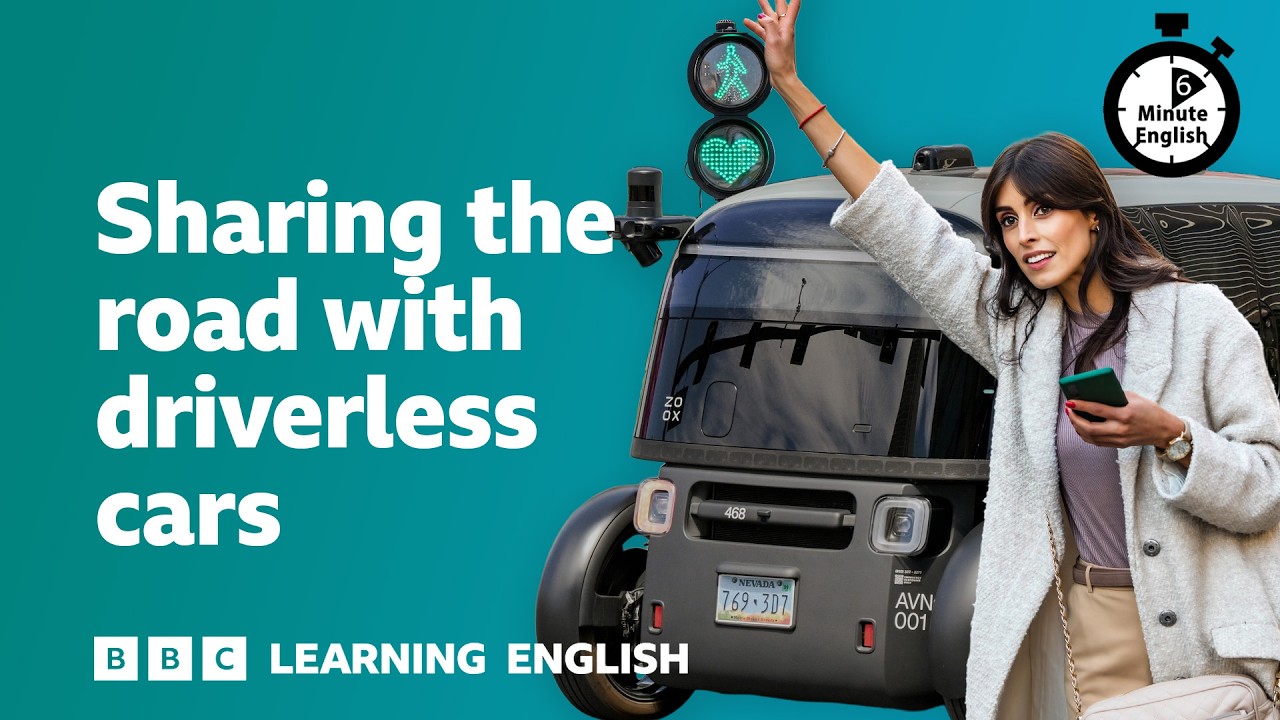

Imagine stepping onto a busy crosswalk and realizing the car heading toward you has no one behind the wheel. Fully autonomous vehicles are no longer a science fiction dream—they are carrying passengers through major urban centers right now. As self-driving tech expands, cities face new questions about how humans and smart cars will share public space.
If you take a trip in a modern robotaxi in cities like Phoenix or San Francisco, you will notice how smoothly the car handles complex driving situations. Specialized software helps the vehicle navigate through crowded intersections, detect speed limit changes, and yield to bicyclists. However, human drivers and walkers are notoriously unpredictable, often stepping off curbs unexpectedly or cutting across multiple lanes without warning. To avoid a catastrophic collision, self-driving systems rely on a network of sensors, radar, and cameras that monitor surrounding roads in every direction simultaneously. When a pedestrian steps into the road, traditional driving relies on eye contact or a simple hand gesture to confirm that it is safe to cross. Without a human driver inside, commuters must build spatial awareness and trust that the car's algorithms will stop in time. Because these systems follow traffic laws strictly, they often act far more cautiously than human drivers who routinely speed or roll through stop signs. This cautious behavior changes daily human interaction on city streets, forcing walkers and drivers alike to adapt to non-human road partners.
As cities continue testing automated transport systems, clear communication between people and technology will determine how fast these cars become part of daily life. For now, staying alert at every intersection remains your best strategy when sharing the road with automated vehicles.