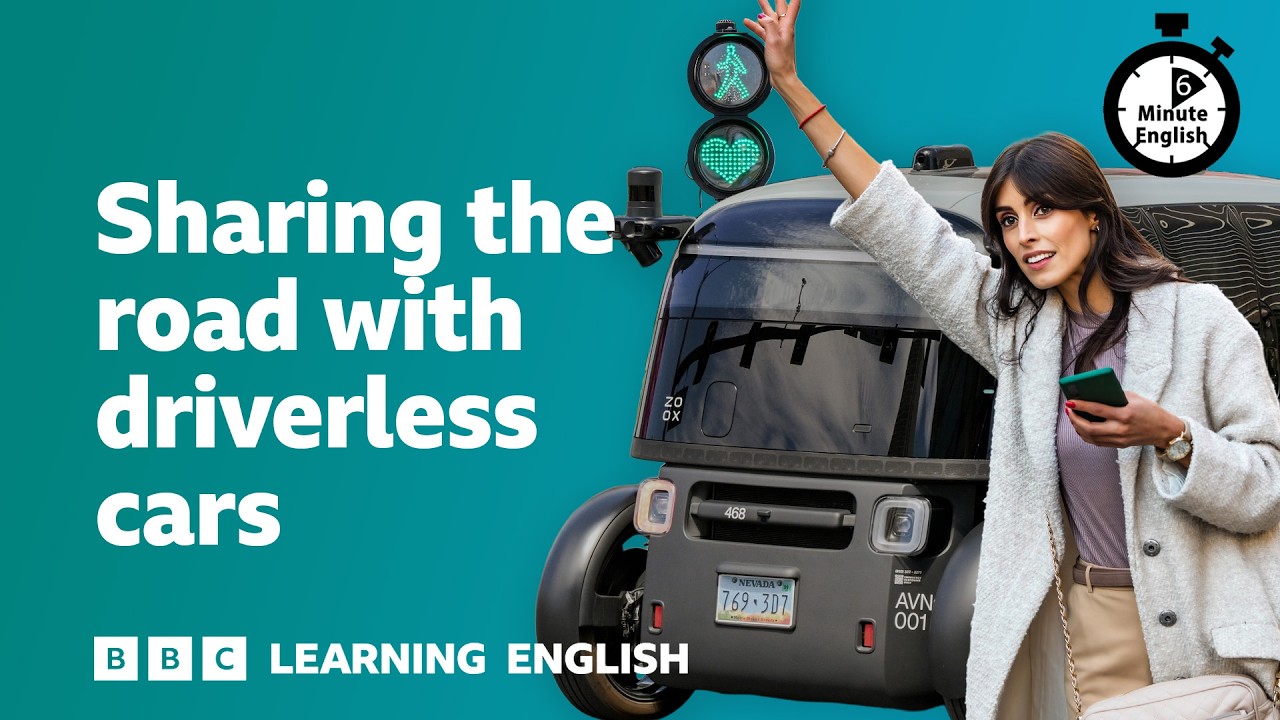

Navigating dense municipal traffic has historically depended on unspoken social contracts—a subtle head nod, a wave, or brief eye contact across an intersection. The sudden arrival of commercial driverless fleets disrupts this delicate balance, introducing machine logic into an unpredictable human ecosystem. As you walk or drive alongside these robotic vehicles, you are participating in a live urban experiment that redefines road safety and spatial awareness.
Human drivers instinctively grasp contextual traffic subtle details, yet an automated system must process every split-second movement through cold algorithmic risk calculations. Lacking human intuition, self-driving vehicles struggle with subtle urban nuance, such as discerning whether a bystander intends to step off the sidewalk or simply stand near the curb. While algorithms offer mathematical predictability, their extreme risk aversion can paradoxically confuse human road users who expect fluid, assertive driving. When faced with an ambiguous situation, an automated vehicle will immediately hesitate, potentially inducing sudden gridlock or tailgating from frustrated motorists behind it. Urban commuters who recognize this programmed caution sometimes exploit it, stepping recklessly onto the street with full confidence that the vehicle will yield. This emerging behavioral friction risks compounding traffic congestion in dense downtown corridors unless developers refine visual signaling methods. Every unexpected non-motorist encounter forces engineers to recalibrate sensor perception models so vehicles react seamlessly to erratic movement. Installing illuminated external displays near the front crosswalk interface helps bridge the communication gap, turning robotic intentions into clear visual cues. Establishing a standardized signaling protocol remains essential for ensuring that machine-driven fleets operate smoothly without creating chaos for surrounding human traffic.
As fully autonomous technology matures, the success of driverless integration will hinge not on computer vision alone, but on establishing intuitive mutual understanding between humans and algorithms. Observing how cities adapt to these robotic transit networks provides a compelling glance into the future of urban mobility.