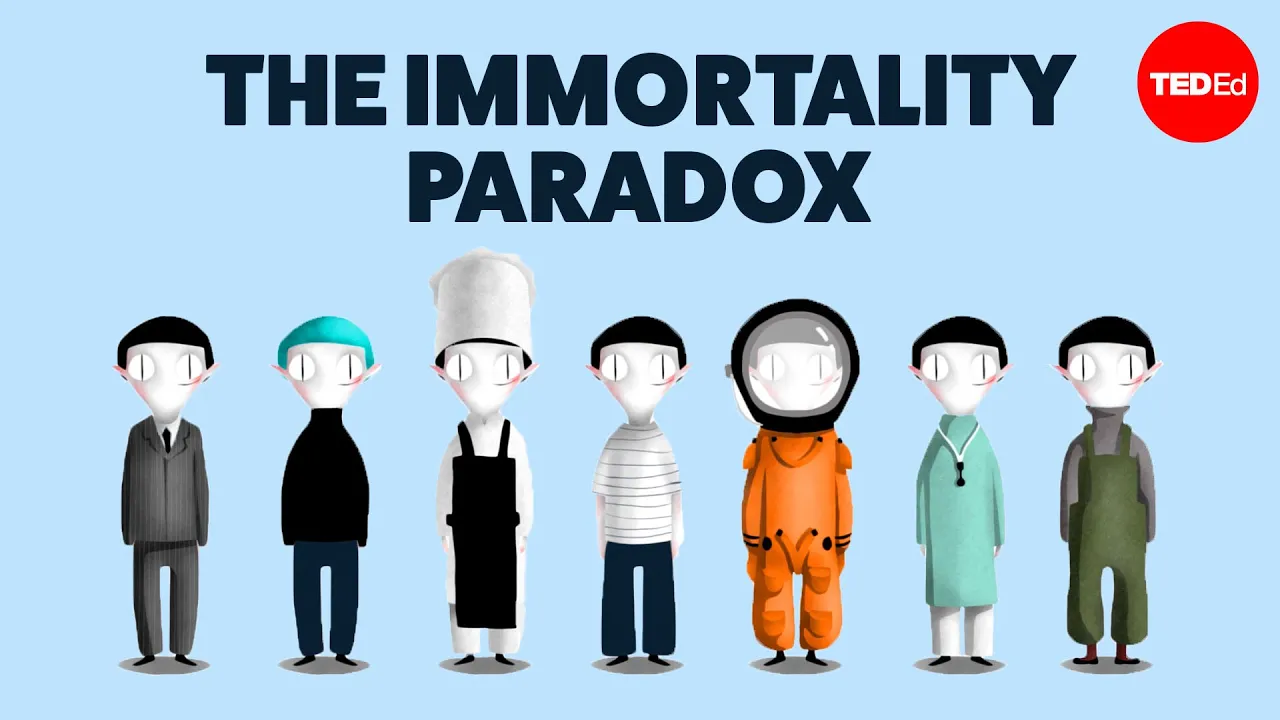
Imagine stumbling upon a dusty chest hidden away in your family attic and finding a glowing magic flask. A small label promises that drinking this liquid grants true immortality, stopping your physical aging instantly at your present age forever.
While the idea of gaining endless time sounds thrilling at first glance, taking that drink poses a serious moral and emotional challenge. Modern philosophers who examine human nature offer a thoughtful perspective on what eternal existence would actually feel like over centuries. On the positive side, you could master endless skills, explore every corner of planet Earth, and witness human progress unfold into the distant future. Yet, thinkers point out that living forever comes with an inevitable psychological cost. You would have to experience overwhelming grief as every mortal person you love eventually grows old and dies. Over thousands of years, even your favorite activities might lose their charm, dissolving into endless monotony when every task has been repeated countless times. Facing this ultimate dilemma forces you to consider whether our mortality is actually what gives weight and meaning to our daily human experiences. Without a deadline on life, the daily tasks we cherish might lose their standard value and urgency.
Making a permanent decision like this would alter your destiny in ways no human has ever experienced. Next time you ponder your own bucket list, ask yourself if having endless time would make your life richer or simply far more complicated.