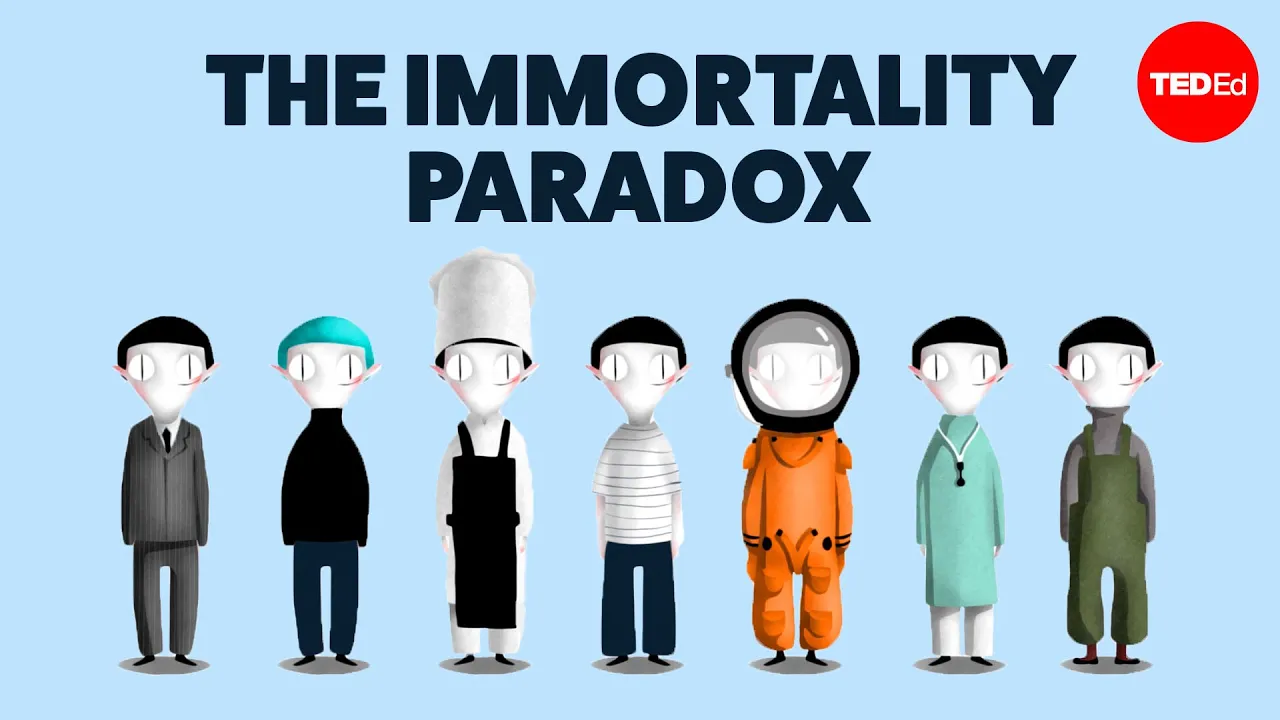
Picture uncovering a dust-laden chest containing a glowing bottle whose label guarantees absolute immunity from biological decay and physical death. Should you choose to swallow this potent elixir, your body freezes forever at its present age—a strictly irreversible commitment that alters your relationship with time permanently.
In a thought-provoking collaboration with the Parr Center for Ethics at UNC Chapel Hill, scholars Sarah Stroud and Michael Vazquez dissect the profound implications of pursuing biological immortality. When we contemplate perpetual existence, our immediate instinct often leans toward boundless opportunity—mastering innumerable disciplines, witnessing humanity's technological trajectory, and bypassing the terror of mortality. Yet rigorous analysis exposes a daunting existential counterweight. The sheer duration of eternal life threatens to dissolve meaningful human motivation into profound tedium, as repetitive cycles erode novelty over centuries. Moreover, living outside the normal human timeline guarantees an inevitable pattern of emotional heartbreak, driving the immortal individual into severe social isolation as generation after generation of loved ones perishes. Applied ethics forces us to question whether human fulfillment relies precisely on our ephemeral nature. Without the definitive horizon of death, the urgency behind our commitments, creative pursuits, and relationships could quietly evaporate.
This classical philosophical conundrum does not merely explore a hypothetical fantasy; it holds up a mirror to how we navigate our real, finite lives. Recognizing that our time is limited remains the most compelling reason to invest deeply in the present moment.