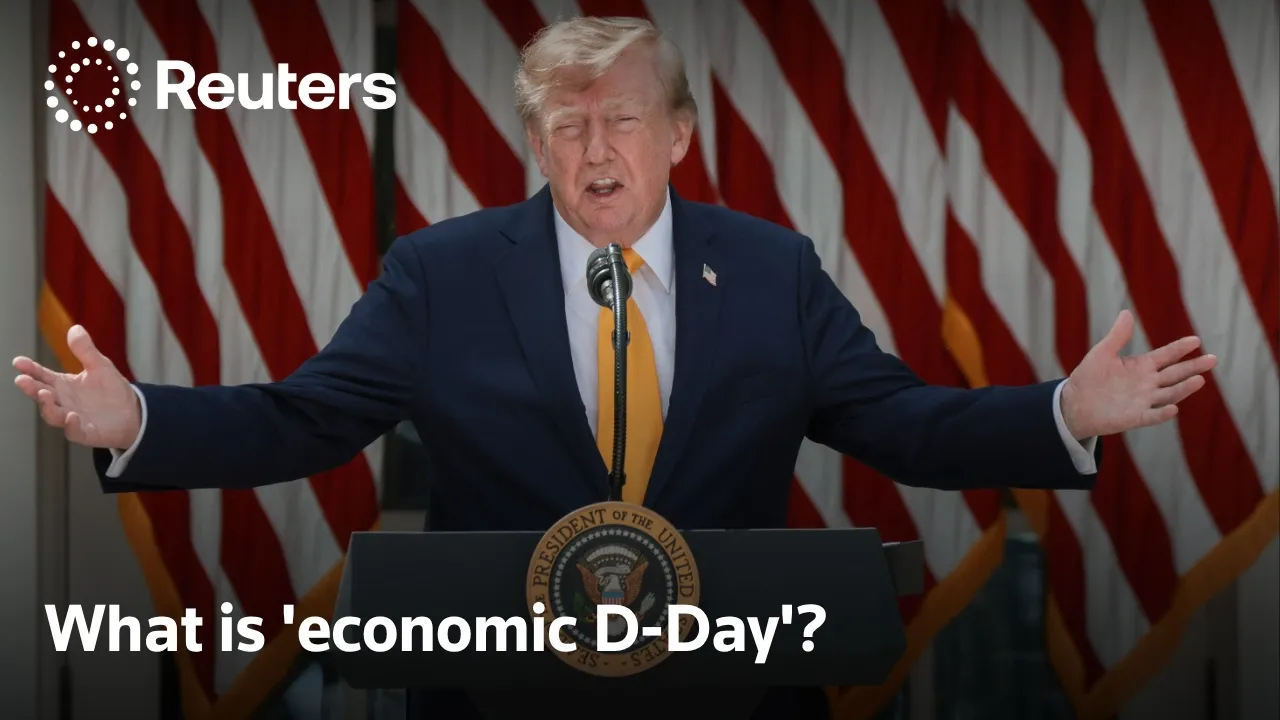

Washington has upped the ante in its conflict with Iran by declaring what US Treasury Secretary Scott Bessent describes as an economic D-Day. This move signals a dramatic shift toward total financial pressure on Tehran. If your company conducts business with Iranian entities, you now face an intense choice between doing business with Iran or remaining in the American market.
The core of this strategy lies in aggressive sanction enforcement that targets foreign entities, financial institutions, and shipping companies worldwide. Foreign corporations face severe secondary penalties if they continue to process payments or exchange goods with Iranian ports. Because most international trade relies heavily on the American dollar, losing access to US banking infrastructure means instant commercial exile. The White House is effectively bypassing traditional diplomacy to drain Iran of oil revenue that feeds its regional proxies and weapons development. The resulting economic isolation will make simple business operations nearly impossible for Tehran's foreign trading partners. Washington issued this strict ultimatum to force immediate international compliance before full restrictions take effect. Corporate boardrooms from Europe to Asia are holding urgent meetings to assess the real-world consequences of these rules. Any company caught facilitating a forbidden financial transaction risks losing its foothold in the global financial system entirely.
This aggressive policy forces international allies and rivals alike to pivot away from Tehran without delay. As these economic measures take hold, you can expect significant realignments in global supply chains and international banking practices.

