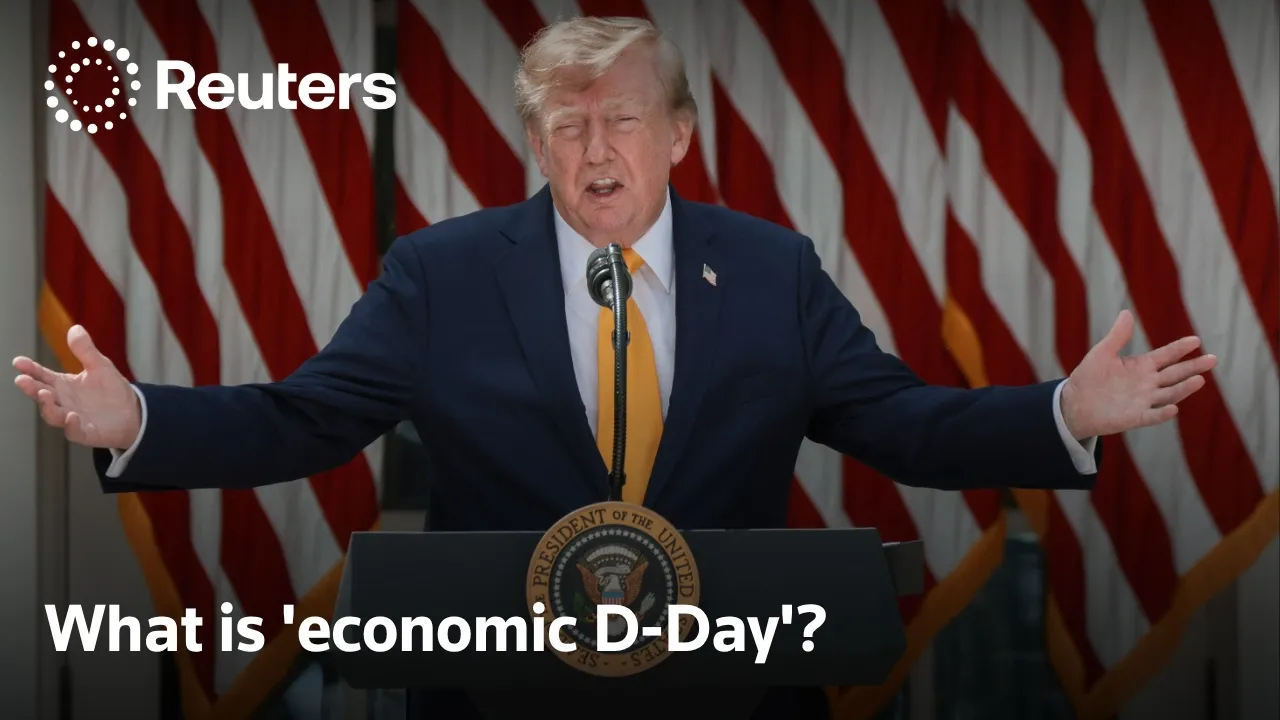

In a sharp financial escalation, the United States has unveiled what Treasury Secretary Scott Bessent explicitly termed an economic D-Day aimed at crippling Iran's economic infrastructure. The sweeping initiative sends an unmistakable message across global commerce: sever commercial ties with Tehran or face total exclusion from the lucrative American economy.
By unleashing expanded secondary sanctions, Washington effectively extends its legal jurisdiction across international supply chains and foreign banking systems. Any foreign enterprise or state-backed entity caught dealing with Iranian energy or financial sectors risks being placed on a strict financial blacklist. This framework relies on maximum economic deterrence, exploiting the central vulnerability of foreign banks dependent on clearing US dollars. Without any broad exemption mechanisms offered to third-party nations, corporate executives are scrambling to avoid the severe economic collateral damage of non-compliance. The strategic objective is to secure unprecedented diplomatic leverage by bankrupting Tehran's regional capabilities and forcing its leadership back to the negotiating table. Analysts note that the economic ramifications will reconfigure trade corridors across the Middle East and Asia almost overnight.
The immediate fallout from Washington's decisive maneuver will reverberate through international money markets for months. As global businesses rush to comply, Iran finds itself backed into an unprecedented corner with virtually no economic room to maneuver.

