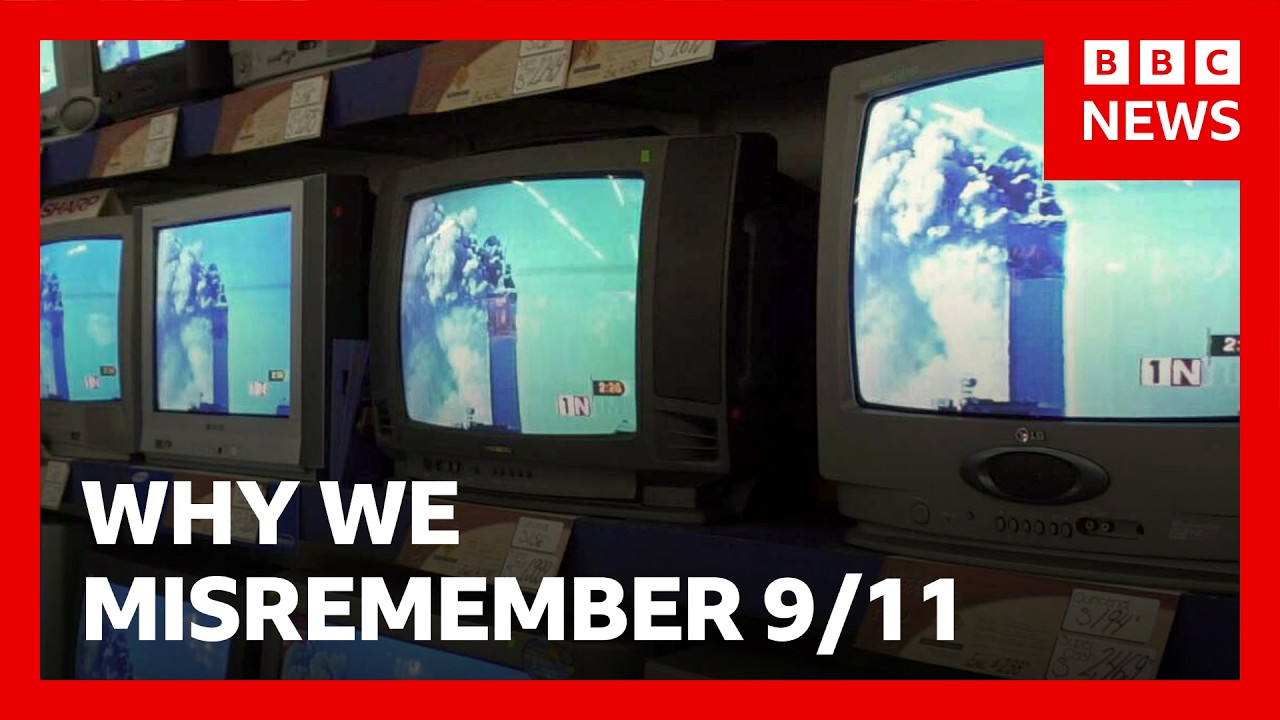

Think back to where you were during a major world disaster. Most adults can describe the exact room, the weather, and the television screen from September 11. Psychologists call these vivid snapshots flashbulb memories, and while they feel totally frozen in time, science shows they are surprisingly unreliable.
When unexpected tragedy strikes, a surge of adrenaline helps your brain capture the moment with deep intensity. You naturally assume this heightened state creates a permanent, flawless file in your mind. However, cognitive research reveals that human memory functions very differently. Every time you retrieve an experience, you actively reconstruct the narrative instead of replaying a raw video tape. Over the years, external influences like television broadcasts, conversations with friends, and social media alter the fine details. Even former President George W. Bush famously misremembered watching the first plane hit the World Trade Center live on television, a broadcast that never actually aired at that moment. Long-term studies tracking survivors and witnesses show that after just three years, nearly half of the specific details people reported had changed. Despite these factual errors, their subjective certainty never dropped. The brain fills in missing gaps with plausible assumptions, cementing an altered version of reality that you defend with fierce conviction. This shared myth-making is not simply a defect; it acts as social glue that unites communities after collective grief.
Recognizing that our minds constantly revise the past helps us approach dramatic historical debates with greater humility and accuracy.

