Level-based news learning
Read news in four smart levels.
Search, sort, and open stories with simplified vocabulary and keyword-rich pages.


Why Music Gives You Goosebumps Explained Simply Why Music Gives You Chills and Goosebumps The Neuroscience Behind Musical Goosebumps Why Music Triggers Physical Goosebumps: The Science
Discover why listening to your favorite songs can give you goosebumps and make your body react with strong emotions. Explore the brain science behind why songs give you chills, tears, and goosebumps, featuring insights from Princeton researchers. Princeton music cognition researchers explain why unexpected melodies and vocal shifts trigger goosebumps and aesthetic chills. Explore how music cognition, limbic arousal, and neural predictions combine to create aesthetic chills, tears, and goosebumps.

Why We Disagree on Colors | Science Explained Why Can't We Agree on Color? The Science of Vision The Science of Color: Why Observers Disagree Why We Disagree on Color: Neuroscience Explained
Discover why people see colors differently, from tennis balls to everyday clothes, and how your brain shapes what you see every day. Explore why people see tennis balls and everyday objects in different shades, and discover how our brains actively interpret light. Explore why human vision disagrees on colors like tennis balls, and how the brain uses unconscious context to construct what we see. Neuroscientist Bevil Conway examines why humans see colors differently, revealing how the brain constructs subjective visual reality.
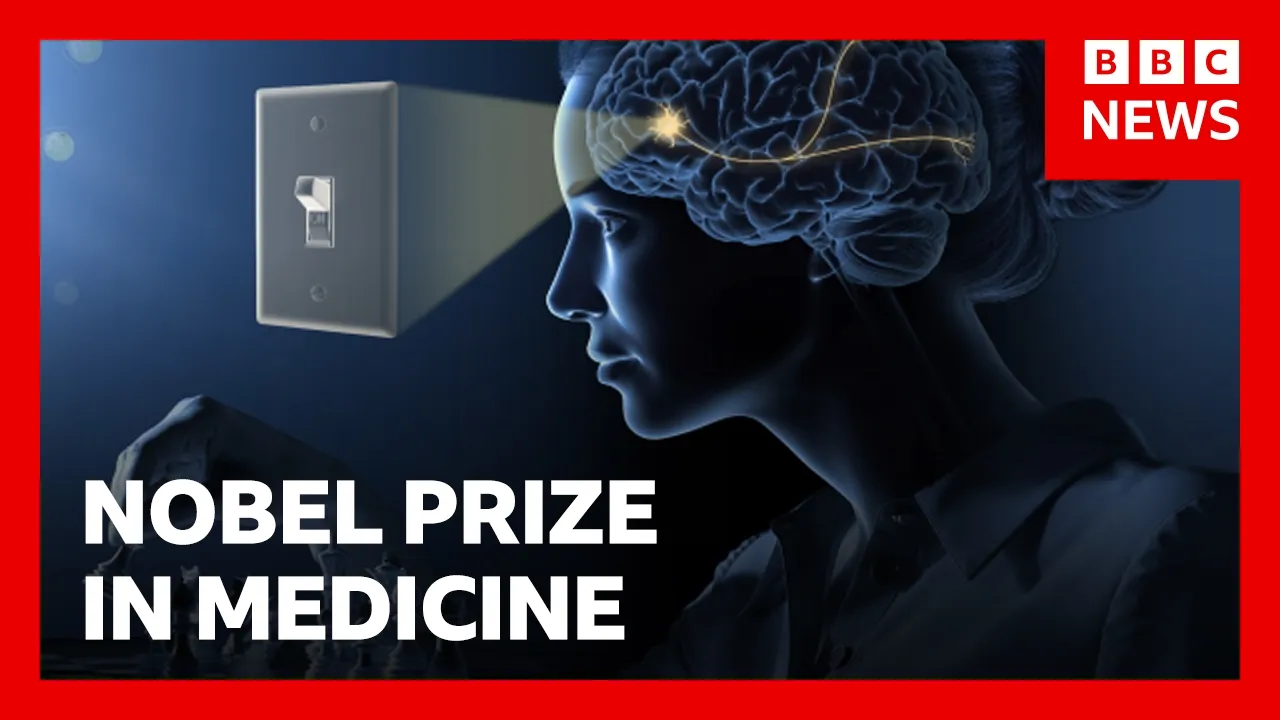

Nobel Prize Awarded for Brain Light Switch Discovery How Optogenetics Won the Nobel Prize in Medicine Optogenetics Pioneers Clinch Nobel Prize in Medicine Nobel Prize Awarded for Optogenetics Breakthrough
Three scientists win the Nobel Prize for optogenetics, a new way to control brain cells using light. Discover how Karl Deisseroth and his team used light to control neurons and won the Nobel Prize. Visionary scientists win the Nobel Prize for inventing optogenetics, illuminating the brain's complex pathways. Karl Deisseroth and colleagues receive the Nobel Prize for optogenetics, transforming how we study the brain.

Why 9/11 Memories Can Be Wrong: Memory Science Are 9/11 Flashbulb Memories Accurate? The Science The 9/11 Flashbulb Memory Illusion: Brain Science Why 9/11 Memories Deceive Us: Cognitive Science
Discover why vivid flashbulb memories from major events like 9/11 feel accurate even when our brains alter the details over time. Explore how flashbulb memories from 9/11 trick our brains into feeling 100 percent certain about details that are actually inaccurate. Discover the neurobiology behind 9/11 flashbulb memories and why high emotional confidence frequently masks significant factual errors. Explore how the neuroscience of flashbulb memories causes systematic distortion of 9/11 recollections despite high subjective certainty.
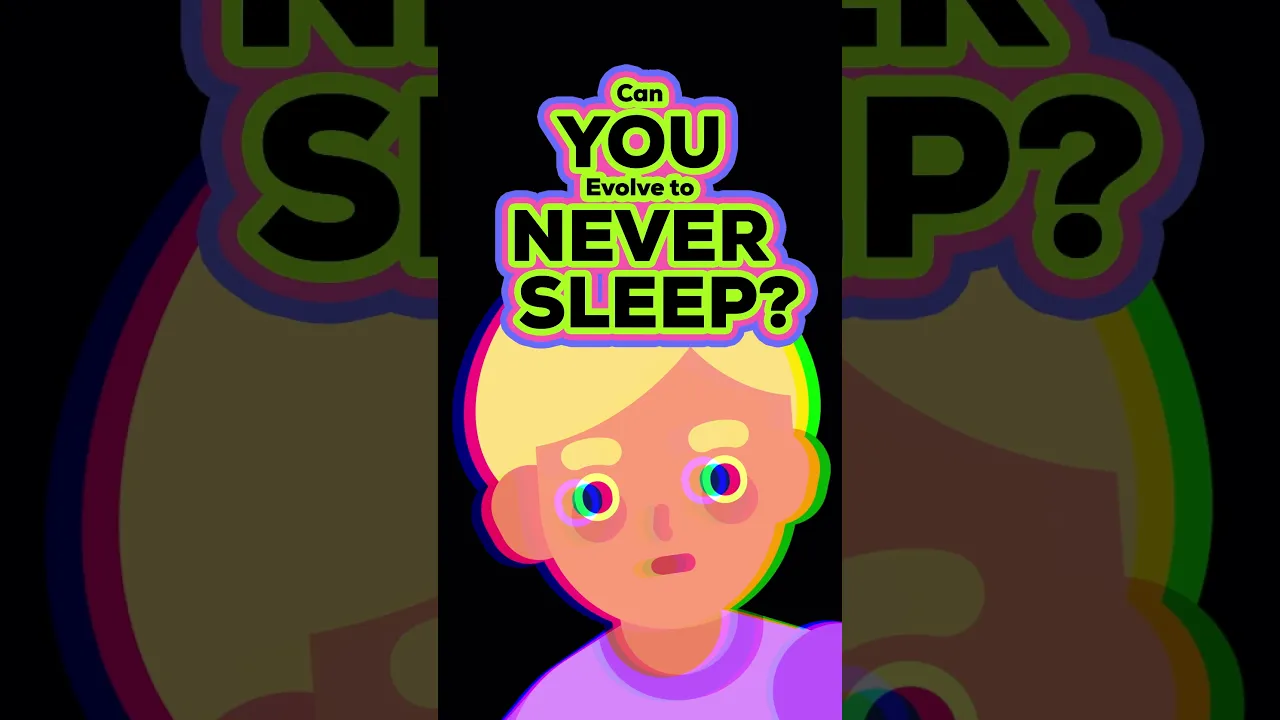
What Happens If You Never Sleep? | Easy Science What If Humans Never Slept? The Science of Rest The Cost of Waking Life: What If We Never Slept? What If You Never Slept? The Biological Reality
Explore what happens if humans stopped sleeping, how our brains clean themselves at night, and why our bodies need rest. Discover what would happen if humans never slept, how our bodies rely on night-time maintenance, and what changes would be required. Explore the cellular and neurological consequences of eliminating sleep, from toxin clearance to drastic genetic modifications. An in-depth look at what would happen if humans never slept, exploring glymphatic cleansing, synaptic homeostasis, and synthetic biology.

How Antidepressants Work in Your Brain The Science Behind Why Antidepressants Take Time How Antidepressants Rewire Neural Circuits Neurobiology of Antidepressants: Cellular Adaptation Explained
Learn how antidepressants slowly heal brain cells and help millions recover from depression over time. Discover how antidepressants rebuild brain connections over time rather than providing an instant emotional quick fix. Explore the biological mechanism of antidepressants and why neural plasticity requires weeks to repair damaged brain networks. An in-depth look at neurogenesis, synaptic reuptake, and the homeostatic adjustments that drive long-term psychiatric recovery.

How Stress Changes Your Brain and Mind How Stress Impacts Brain Function and Memory The Neuroscience of Stress and Cognitive Decline Neurological Shift: How Stress Alters Cognitive Systems
Learn how stress affects your focus, memory, and everyday habits in simple English. Discover the tipping point where stress stops helping you and begins to impair your brain and choices. Explore how acute and chronic stress alter prefrontal cortex function, memory, and emotional regulation. An in-depth analysis of neurological tipping points, executive compromise, and psychological resilience.