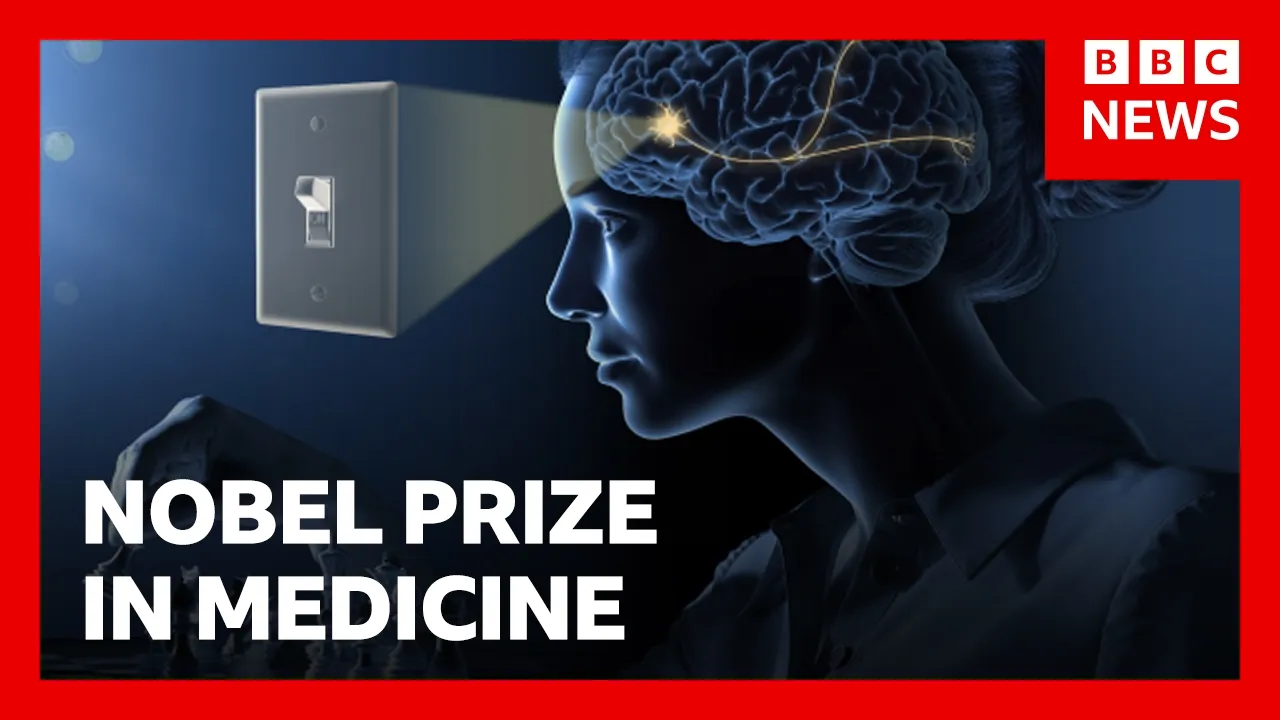

Have you ever wondered how your brain controls your thoughts, emotions, and movements? This year, the prestigious Nobel Prize in Physiology or Medicine was awarded to three scientists who helped solve this mystery. Karl Deisseroth, an American psychiatrist and neurologist, alongside German researchers Peter Hegemann and Georg Nagel, received the honor for developing a revolutionary method called optogenetics.
This incredible scientific breakthrough allows researchers to control brain activity using nothing but light. In the past, studying the brain was extremely difficult because billions of neurons are packed tightly together, making it hard to isolate specific signals. By using pioneering genetic techniques, the Nobel-winning team found a way to make specific brain cells sensitive to light. When scientists shine a light on these cells, they can trigger precise stimulation to turn the cells on or off. This allows them to illuminate the complex pathways of the brain and observe how behavior changes in real time. Understanding this biological mechanism helps scientists map the brain with incredible accuracy. It gives us a clear view of how different brain regions communicate and how memories are formed.
This research is not just about basic science; it has massive real-world benefits for anyone suffering from a brain disorder like Parkinson's or depression. By showing us how the brain works from the inside out, these scientists have opened up new possibilities for future medical treatments.

