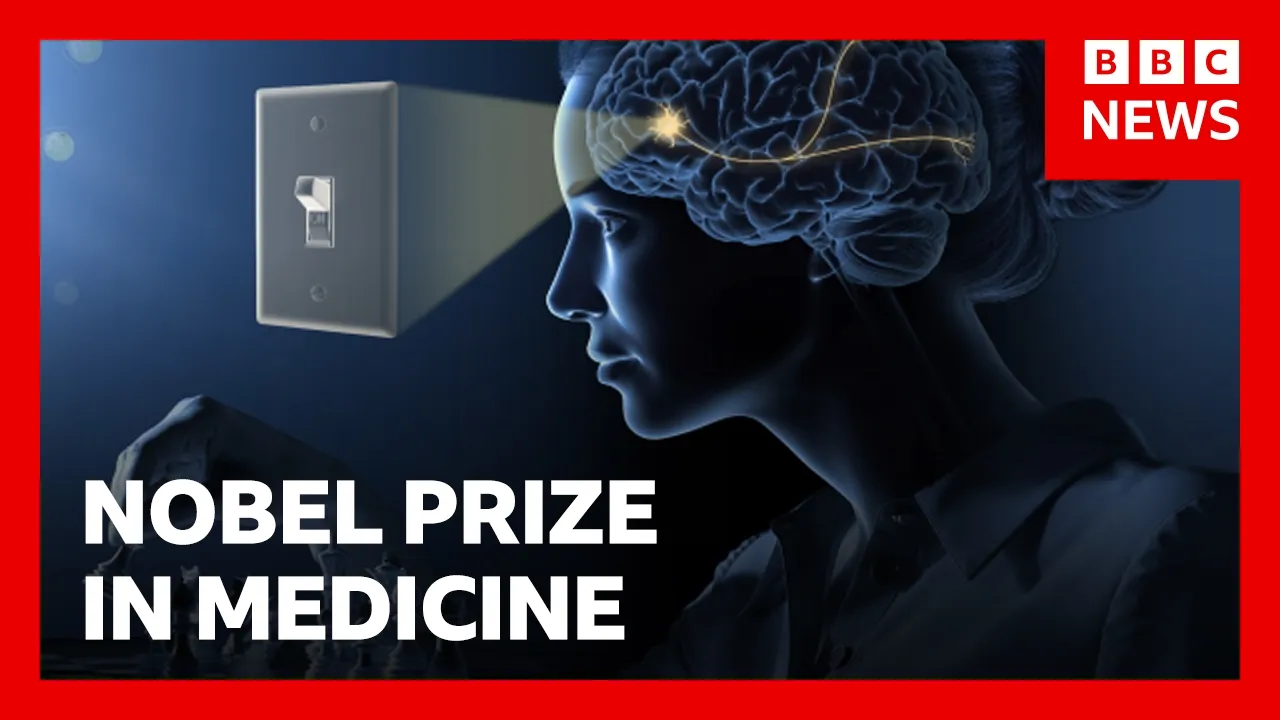

Deciphering the dense, enigmatic neural circuitry of the human brain has long been considered one of science's final frontiers, but a revolutionary methodology has finally shed light on these deep biological mysteries. This year’s prestigious Nobel Prize in Physiology or Medicine celebrates this feat, honoring American neurologist Karl Deisseroth and German scientists Peter Hegemann and Georg Nagel for their development of optogenetics.
This exquisite scientific breakthrough effectively bridges the gap between optics and genetics, granting researchers the unprecedented ability to modulate living tissue with extraordinary temporal and spatial precision. Historically, probing the brain meant using invasive electrodes that stimulated vast, indiscriminate clusters of cells, but this pioneering technique target-engineers specific neurons to express light-sensitive proteins. Consequently, applying focused light stimulation allows scientists to selectively switch individual neural pathways on or off, helping to illuminate the intricate networks that dictate behavior, memory, and emotion. By exposing the underlying physical mechanism of neural communication, optogenetics has shifted neuroscience from a descriptive discipline to an active, manipulative science. Researchers can now observe, with astonishing clarity, how subtle shifts in cellular activity translate into complex cognitive processes.
Beyond its theoretical brilliance, the clinical implications of this work are profound, offering a roadmap to dissecting and eventually curing almost any complex cognitive disorder. By laying bare the inner workings of the mind, these three laureates have fundamentally reshaped our therapeutic horizon.

