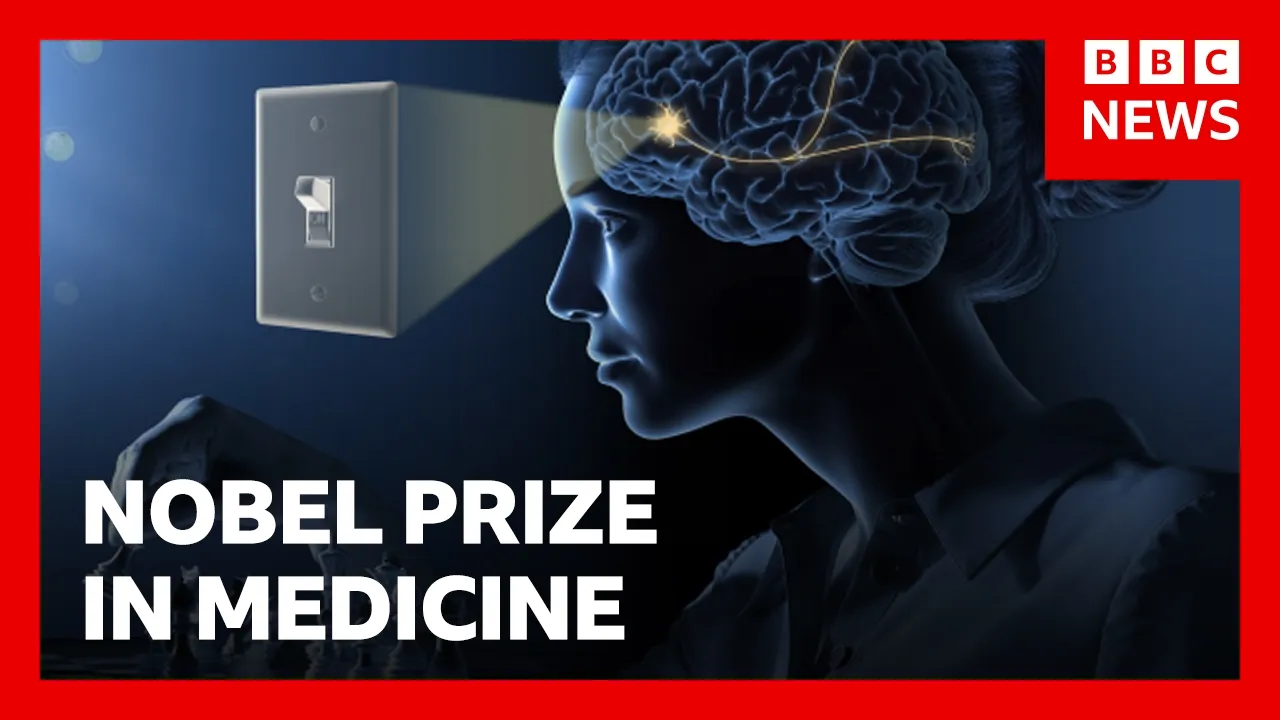

The quest to map the human mind has taken a giant leap forward, earning three visionary scientists the prestigious Nobel Prize in Physiology or Medicine. American neurologist Karl Deisseroth, collaborating with German physicists Peter Hegemann and Georg Nagel, was recognized for discovering optogenetics, a technique that has transformed modern neuroscience.
This technological breakthrough addresses one of the oldest challenges in science: how to manipulate individual cells within a dense, living neural network. By integrating genetics and optics, the researchers engineered specific neurons to respond to light, allowing for unprecedented control over brain activity. Through targeted light stimulation, researchers can now activate or silence precise neural circuits, helping to illuminate the functional architecture of the brain. This pioneering approach has allowed scientists to dissect the exact cellular mechanism behind complex behaviors, decision-making, and sensory perception. Instead of relying on crude electrical currents that shock entire brain regions, optogenetics offers a surgical level of precision that was once thought impossible.
Ultimately, this research offers profound hope for treating various psychiatric and neurological conditions, as understanding these pathways is key to addressing any severe brain disorder. The Nobel committee's recognition underscores how this tool has redefined our approach to mental health and brain science.

