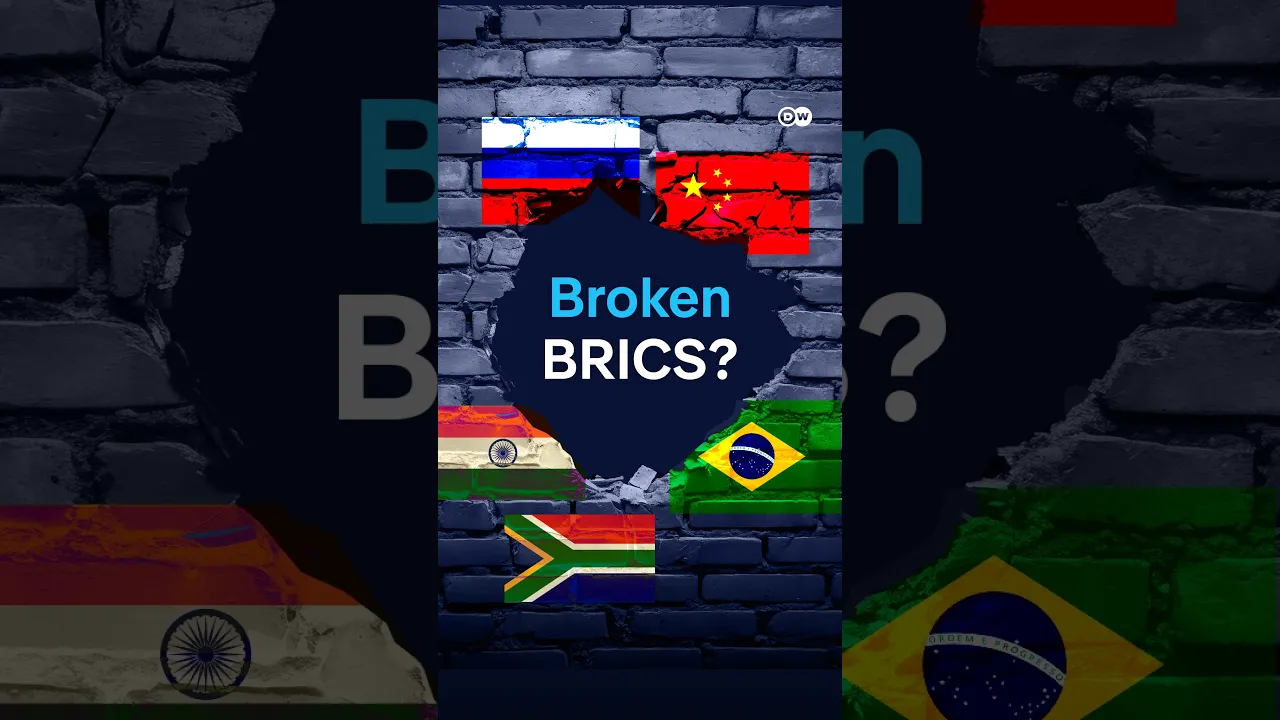

The geopolitical landscape is shifting, and the BRICS coalition has long positioned itself as the ultimate champion of the Global South. By presenting a united front, these emerging economies aim to disrupt the historical dominance of Western powers in global governance. However, the escalating war involving Iran has laid bare the fragile foundations of this coalition.
As heads of state gather for a crucial summit in New Delhi, they must confront the reality that their bloc is deeply divided over the Middle Eastern crisis. While the group frequently broadcasts messages of solidarity, the harsh realities of national interest have exposed this unity as largely an illusion. Each member state operates under its own geopolitical calculus, which often conflicts with the goals of its partners. For example, India's strategic alignment with Western security frameworks directly contradicts the aggressive anti-Western stance of Russia and China. This internal rivalry prevents the group from forming a decisive alliance during a major global conflict. Instead of acting as a unified counterweight, the members are forced to balance their individual economic ties against their collective rhetoric.
Ultimately, the New Delhi meeting serves as a reality check for the Global South. If BRICS cannot bridge these fundamental differences during a time of war, its ambitions of reshaping the global order will remain unfulfilled. The world is watching to see if they can transcend these limitations or remain paralyzed by internal division.

