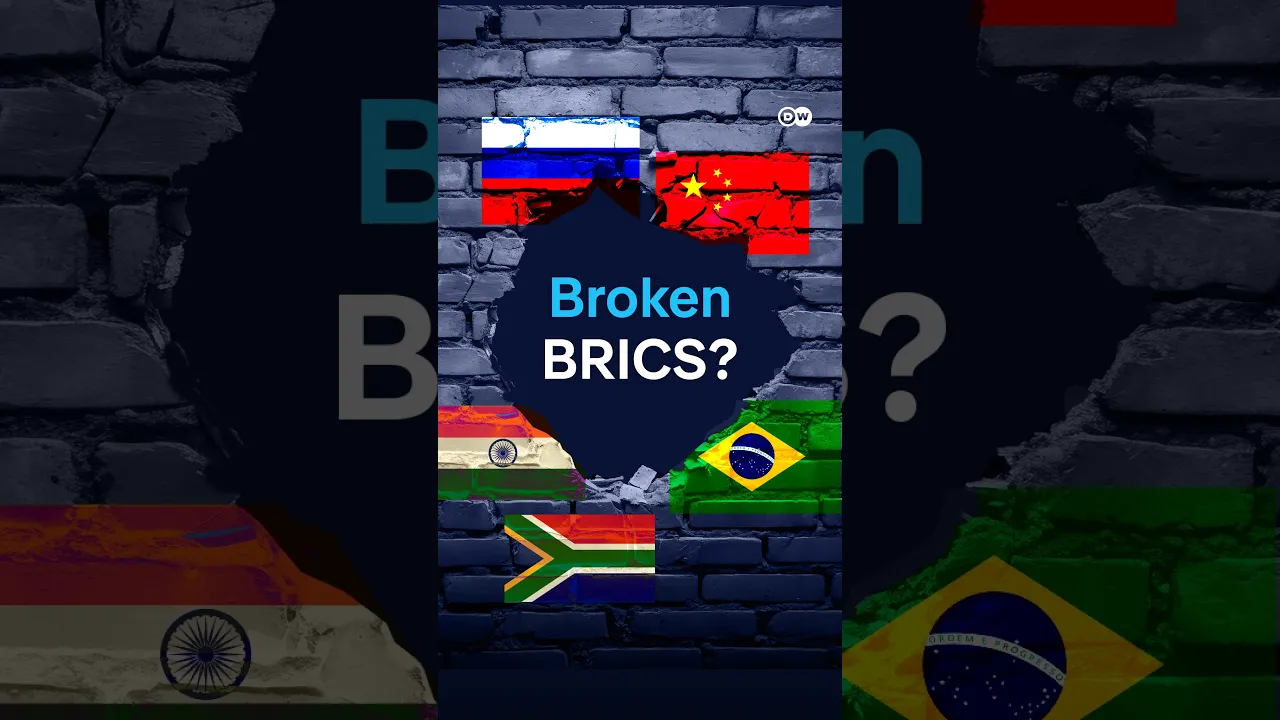

For years, the BRICS nations have cultivated a narrative of collective resistance, positioning themselves as a formidable counterweight to Western dominance. This coalition of disparate economies has sought to rewrite the rules of global diplomacy under the banner of Global South representation. Yet, the outbreak of the war involving Iran has shattered this carefully managed facade, revealing the deep ideological chasms within the group.
As leaders convene for a high-stakes summit in New Delhi, the limits of this loose alliance have never been more apparent. The bloc finds itself profoundly divided, caught between the revisionist ambitions of Moscow and Beijing and the more pragmatic, West-aligned foreign policies of New Delhi and Brasília. This regional conflict has effectively transformed their professed solidarity into a diplomatic illusion, proving that shared grievances against the West do not automatically translate into a unified foreign policy. Each nation's unique geopolitical imperatives dictate its response, rendering a collective stance virtually impossible. India's delicate balancing act with Washington, contrasted against China's systemic rivalry with the United States, paralyzes the group's decision-making process. Consequently, when global stability is threatened, the group's structural contradictions prevent it from taking cohesive action.
The proceedings in New Delhi will likely determine whether BRICS can evolve into a functional geopolitical entity or remain a mere talking shop. Without a shared security vision, the group's lofty rhetoric of a multipolar world will continue to clash with the stubborn realities of national self-interest.

