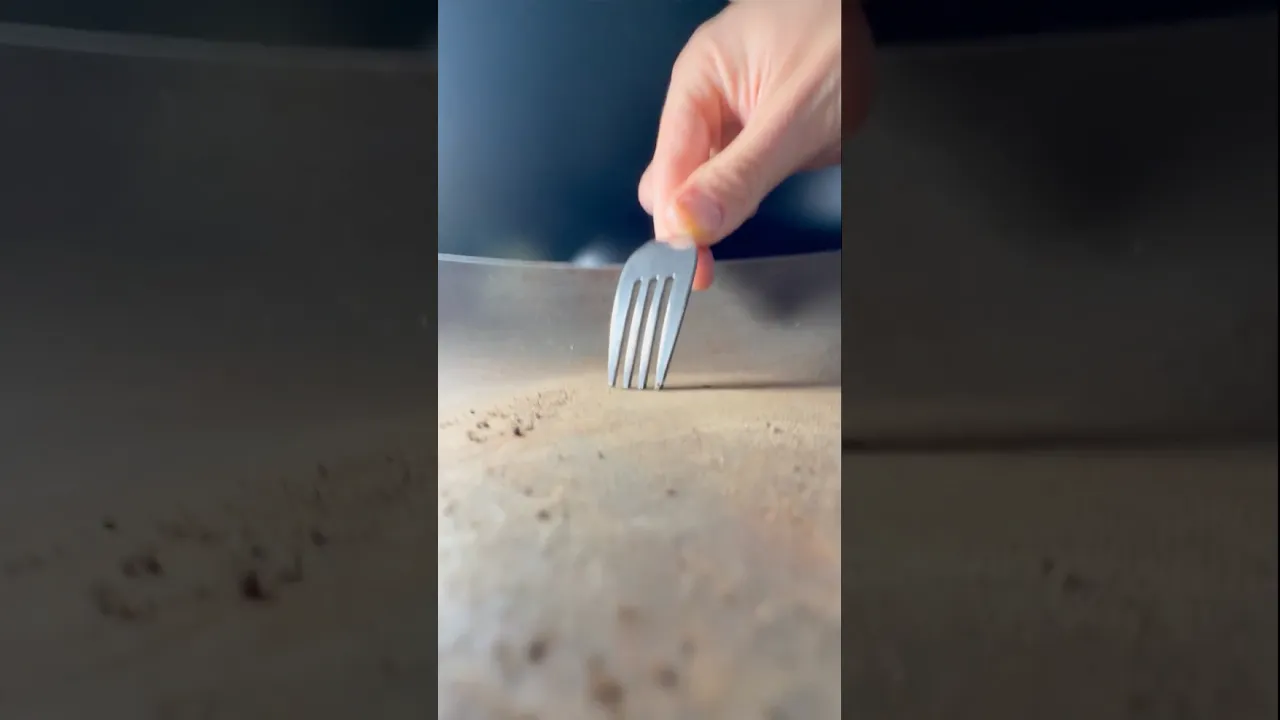

You may have a non-stick pan in your kitchen. It looks smooth and helps food slide off easily. The coating is usually called Teflon. Many people think it is safe, but there are hidden facts. This short article tells you what can happen if the pan is used wrong.
When a non-stick pan gets very hot, the Teflon coating can break down. The heat makes tiny fume particles that can drift into the air. Breathing these fumes may cause a short‑term sickness called polymer fume fever, with symptoms like headache and fever. The chemicals in the coating belong to a group named PFAS. These are called “forever chemicals” because they do not break down easily in the environment. If food touches a damaged coating, tiny pieces of polymer can mix with the meal. Over time, repeated exposure to PFAS may lead to health issues such as hormone changes or higher cholesterol. Some studies say these chemicals can bioaccumulate, meaning they build up in the body. Because of this toxicity, many countries are creating stricter regulation on how much PFAS can be used in cookware. Using a heat-resistant pan and never heating it empty can lower the risk.
To stay safe, cook on low to medium heat, avoid scratching the surface, and replace pans that are worn. Choosing a pan that is truly heat-resistant and following these simple steps can protect you from unwanted chemicals.

